Erika Burke Rossa: Movement, Memory, and Making Films
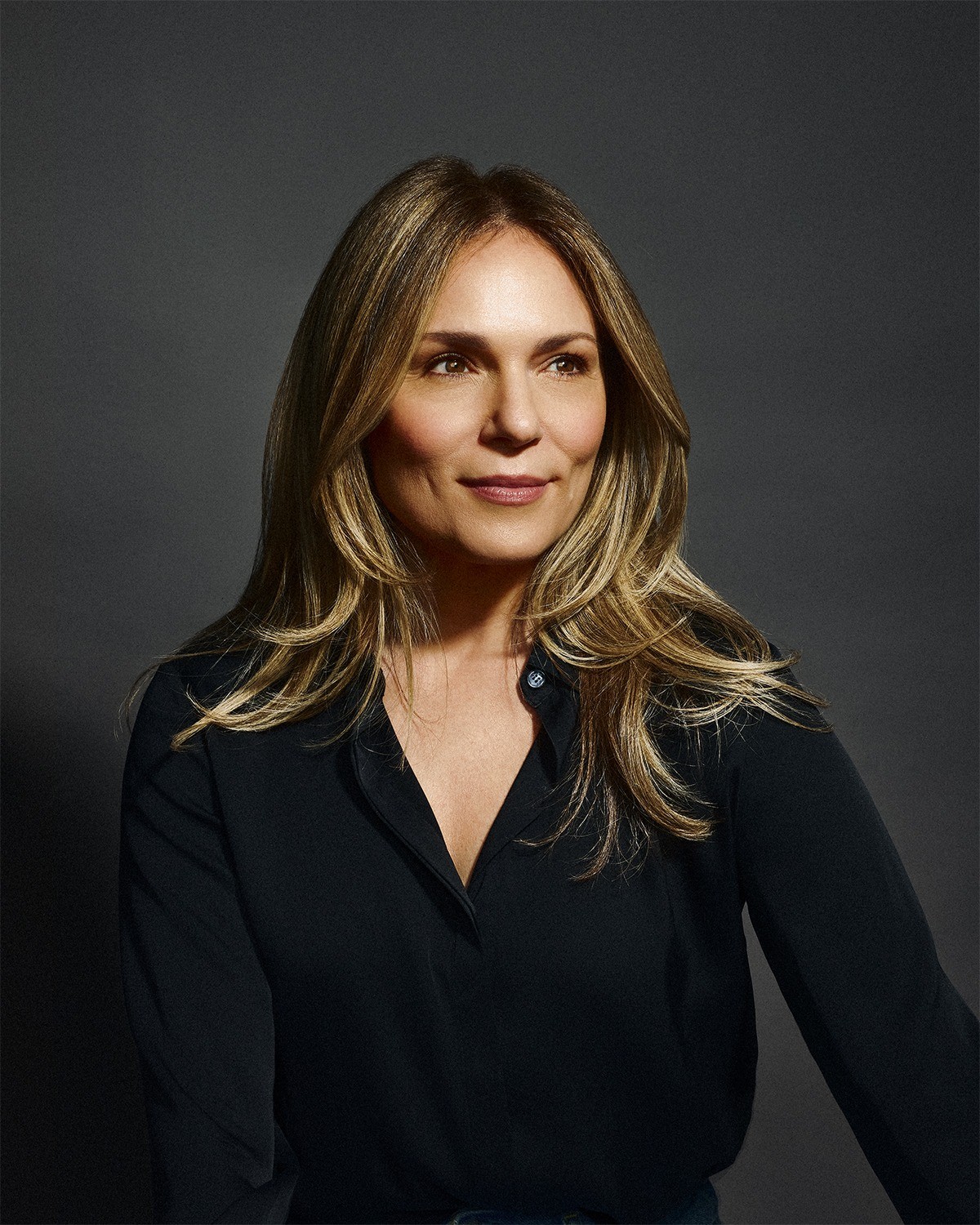
There are artists whose careers unfold in a straight line. Then there are artists like Erika Burke Rossa, whose creative life has moved through disciplines, cities, and identities before arriving at filmmaking with unusual depth and clarity. Before directing her feature debut Rain Reign, Rossa trained as a ballet dancer at Juilliard School, studied theater, worked in social work, and spent years moving between different forms of artistic and emotional inquiry. What emerges in conversation with her is the sense that none of these paths were detours. They were all part of the same education.
Raised between Hong Kong and Taipei, Rossa speaks about creativity less as self-expression than as a way of understanding people. “My creative instinct comes from a need to understand the human experience as a whole, and also to promote empathy and understanding,” she says. “Ultimately, that’s always been at the core, the heart center, of what I love to do in the arts.”
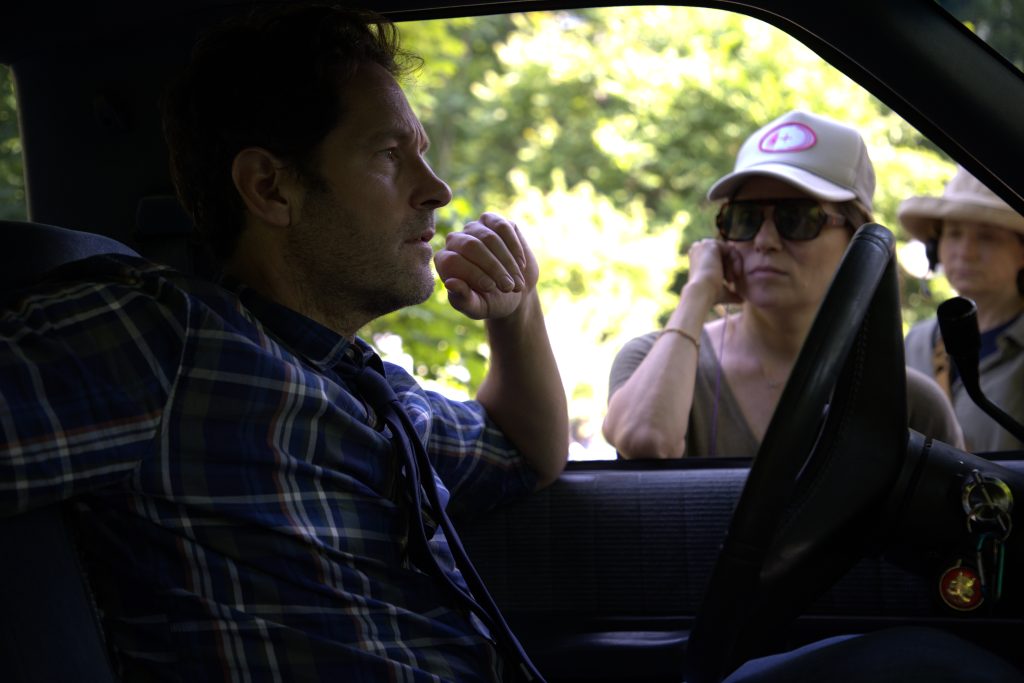
That instinct runs through Rain Reign, which premieres at the Tribeca Festival this June. Adapted from Ann M. Martin’s novel, the film follows a neurodivergent young girl searching for her missing dog after a devastating storm, starring Paul Rudd alongside Jeremy Sisto and Gretchen Mol. But for Rossa, the story’s emotional center was less about plot than moral imagination. “This young girl, the world’s stacked against her, and she makes the choice that is for someone else versus herself,” she says. “I deeply wanted that out there for my kids, for me. It’s something the world sort of needs right now.”
What makes Rossa particularly compelling as a filmmaker is the way her previous lives remain visible inside her process. She speaks about directing almost choreographically, as if movement, rhythm, and emotional pacing are inseparable. Ballet, especially, appears not simply as a former discipline but as an enduring framework for how she thinks. “The discipline it takes to be a dancer is pretty outstanding,” she says. “You do the pliés and tendus ad nauseam, and then you just have to trust that all that work that you plugged in is there. Then you let it go.”
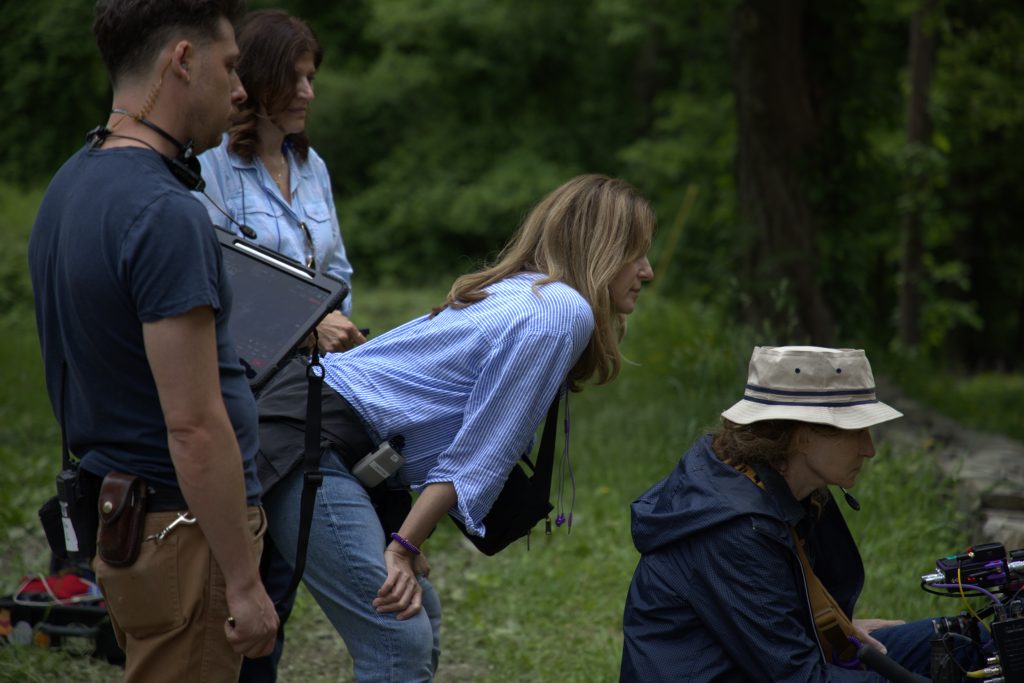
That tension between rigor and surrender defines the way she directs actors and constructs scenes. Rossa describes arriving on set hyper-prepared, with shot lists, rehearsals, and blocking, while also trying to create enough spaciousness for unpredictability to emerge. “If you’re super disciplined and stringent, I don’t think that works in the space of trying to create truth and authenticity,” she says. “You want people to feel the spaciousness that you’re creating on a set so they can allow their creativity to go.”
It is easy to hear the former dancer in the way she talks about filmmaking. Editing becomes musical timing. Blocking becomes physical intuition. Emotional rhythm matters as much as dialogue. During post-production, she found herself unexpectedly reconnecting with skills absorbed years earlier at Juilliard. “My musicality and the dance piece in the editing room really started to come to this cool fruition that I hadn’t anticipated,” she says. “You just kind of know where a scene has to be cut off or brought back in, or where music has to come in and fade out.”
For Rossa, directing ultimately became the rare form capable of holding all her instincts at once. “It was a synergy of literally all the disciplines that I love coming together,” she says. “Dance, movement through space, the emotional center of actors, visual design, music– all of it suddenly connected.”
That synthesis extends beyond aesthetics into the kinds of stories she feels drawn toward. Her background in social work deeply informs both her perspective and her sense of responsibility as a filmmaker. She speaks about storytelling as a form of listening, one rooted in empathy rather than spectacle. “If you deeply understand yourself, if you’re in pursuit of understanding your scene partner or the story, it translates really well with the social work process,” she says. “You’re listening, hearing, absorbing, trying to be supportive and empathic.”
Again and again, she returns to people living at the edges of systems: outsiders, misunderstood children, individuals navigating circumstances larger than themselves. “Is it the underdog? Is it the person whose cards are stacked against them and they’re trying to make the right choice?” she says. “That’s what moves me.”
There is also a noticeable resistance in Rossa’s thinking to the increasingly transactional logic surrounding creative success. Having entered filmmaking later and less conventionally than many directors, she speaks about ambition with a kind of hard-earned looseness. “I’ve failed a lot,” she says plainly. But the failures no longer appear to frighten her in the same way. “Success doesn’t define me. I will create regardless. That’s part of who I am.”
Instead, she speaks about process, resilience, and continuation. About making things, because making things is inseparable from living. “Maybe in my twenties I thought if I didn’t get the thing, that meant something about who I was,” she says. “Now I think none of that makes sense.”
That perspective feels embedded in the emotional texture of her work. There is a patience to the way she talks about filmmaking, an attention to quiet visual moments rather than purely narrative efficiency. When asked about the first time she understood the emotional power of cinematic imagery, she immediately recalls the floating plastic bag scene from American Beauty. “I remember just being gutted by that visual moment,” she says. “The power of an image. A silent image. Something with no dialogue that still evokes so much.”
It is perhaps unsurprising, then, that she gravitates toward films that allow room for breath, texture, and emotional ambiguity. She speaks admiringly about European cinema, about silence, about moments that resist over-explanation. “What are those little beautiful moments that stop us?” she asks. “Or connect us to each other?”
Even in conversation, Rossa often circles back to connection: between people, between art forms, between interior and exterior worlds. Near the end of our discussion, she reflects on losing her mother shortly before production began on Rain Reign, describing the grief as both devastating and transformative. “She was my greatest champion,” she says quietly. “But what I learned and grew and embraced from her– that stays with me. And I’m going to keep paying that forward.”
That idea of carrying things forward: disciplines, histories, losses, gestures, ways of seeing, and feels central to Rossa’s work. Not reinvention exactly, but accumulation. A life lived across multiple forms eventually converging into a cinematic language shaped as much by movement, empathy, and observation as by narrative itself.
learn more about Erika and Rain Reign here.