
Scott Speh on Trusting Your Eye, Contemporary Art, and Western Exhibitions
Owner of Chicago art gallery Western Exhibitions talks about why going with his gut has served him well in an industry that often looks only for "what will sell".
Read more

Every creative work exists within a frame: a photograph, a room, a landscape, an idea. In this issue, we look at the people shaping how we see, from artists and filmmakers to architects, editors, gallerists and designers.
Frame also marks one year of Bureau, a year of following curiosity and discovering what this project might become. We’re still figuring it out, and that’s all part of the fun.
image: Vivian Maier, Self-Portrait, 1953. Gelatin silver print. Vivian Maier/Maloof Collection, Courtesy of Howard Greenberg Gallery.
Owner of Chicago art gallery Western Exhibitions talks about why going with his gut has served him well in an industry that often looks only for "what will sell".
Read more
Mexico City-based architects LANZA Atelier talk to Bureau about 10 years of their practice, their 2026 Serpentine Pavilion, and why Mexico City is a constant source of inspiration.
Read more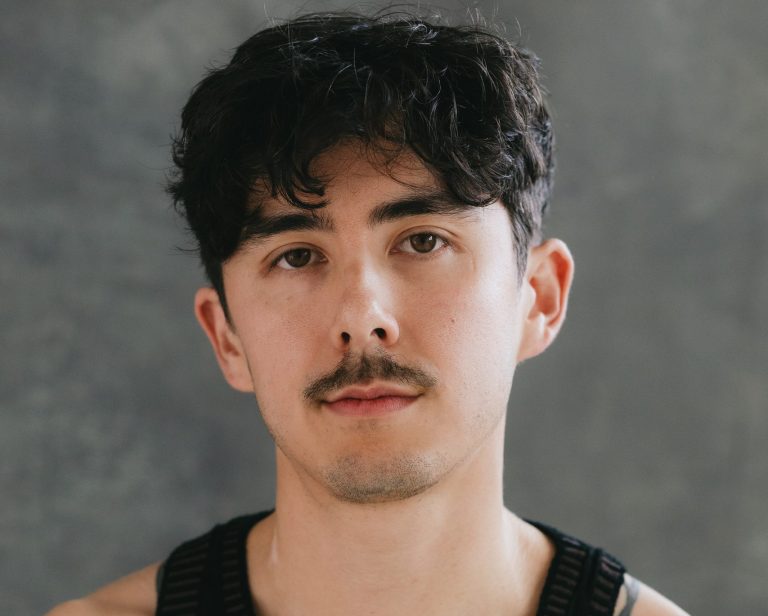
Kyle Yoshioka, Founder and Editorial Director of Provecho magazine, discusses how food can tell cultural stories and educate readers about marginalized communities.
Read more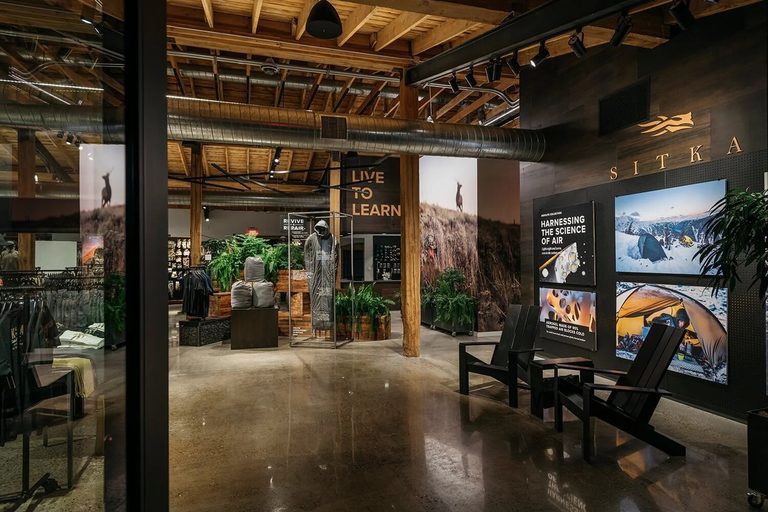
Retail and hospitality space designer Chele McKee talks about why thinking creatively about human experience is at the core of what makes for a customer experience.
Read more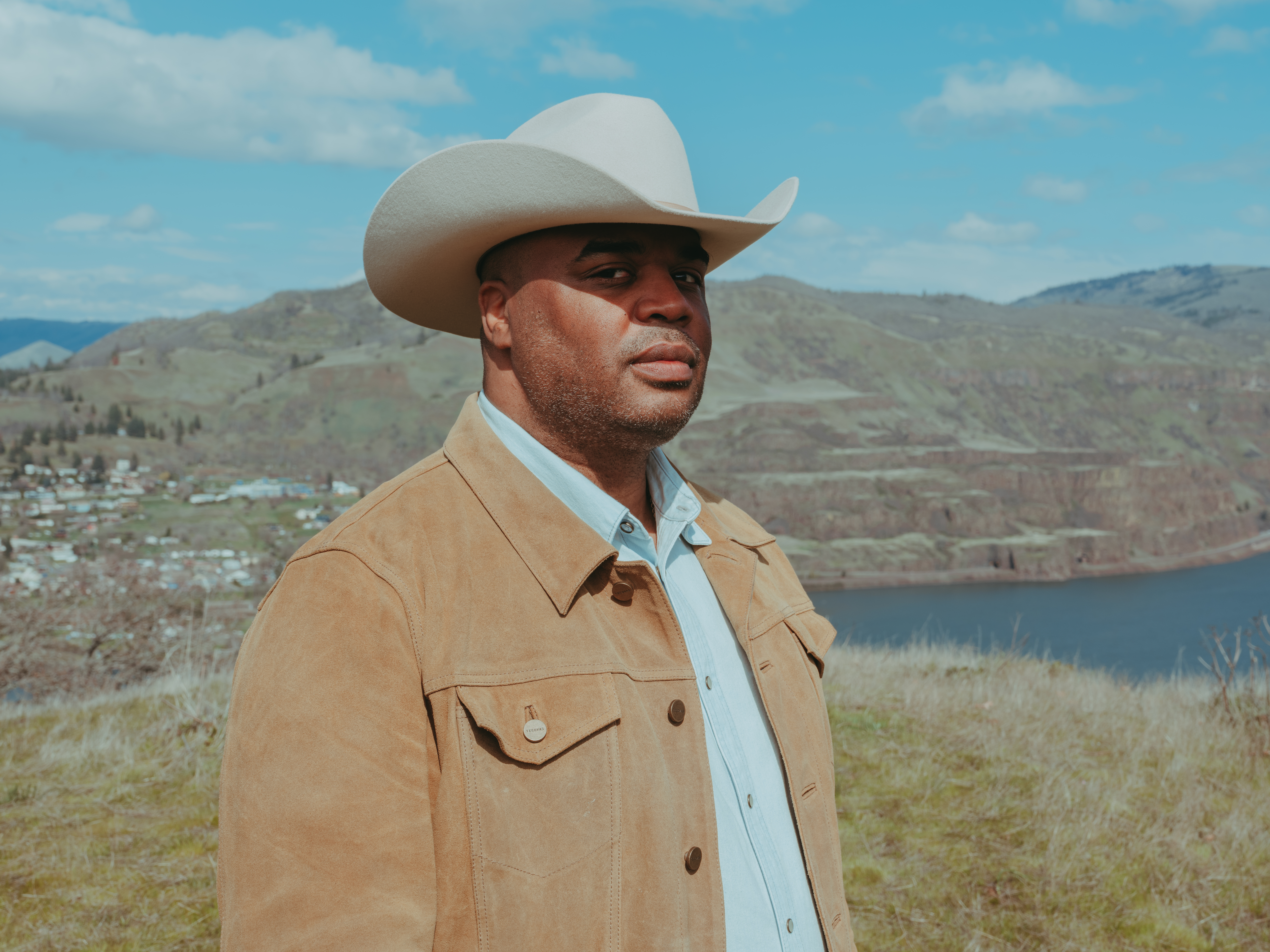
Photographer Ivan McClellan’s decade-plus project, Eight Seconds, began with a Black rodeo in Oklahoma and grew into a visual record of a Western culture largely left outside the frame.
Read more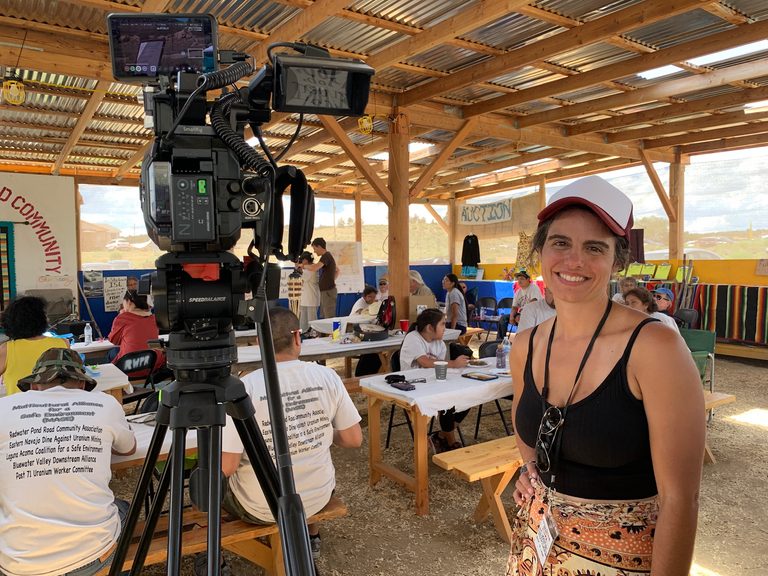
Filmmaker Hadley Austin calls Demon Mineral, her documentary about uranium contamination across Diné Bikeyah, an “anti-Western.” We talk with Austin about land, memory, representation, and the images that have shaped how we see the American West.
Read more