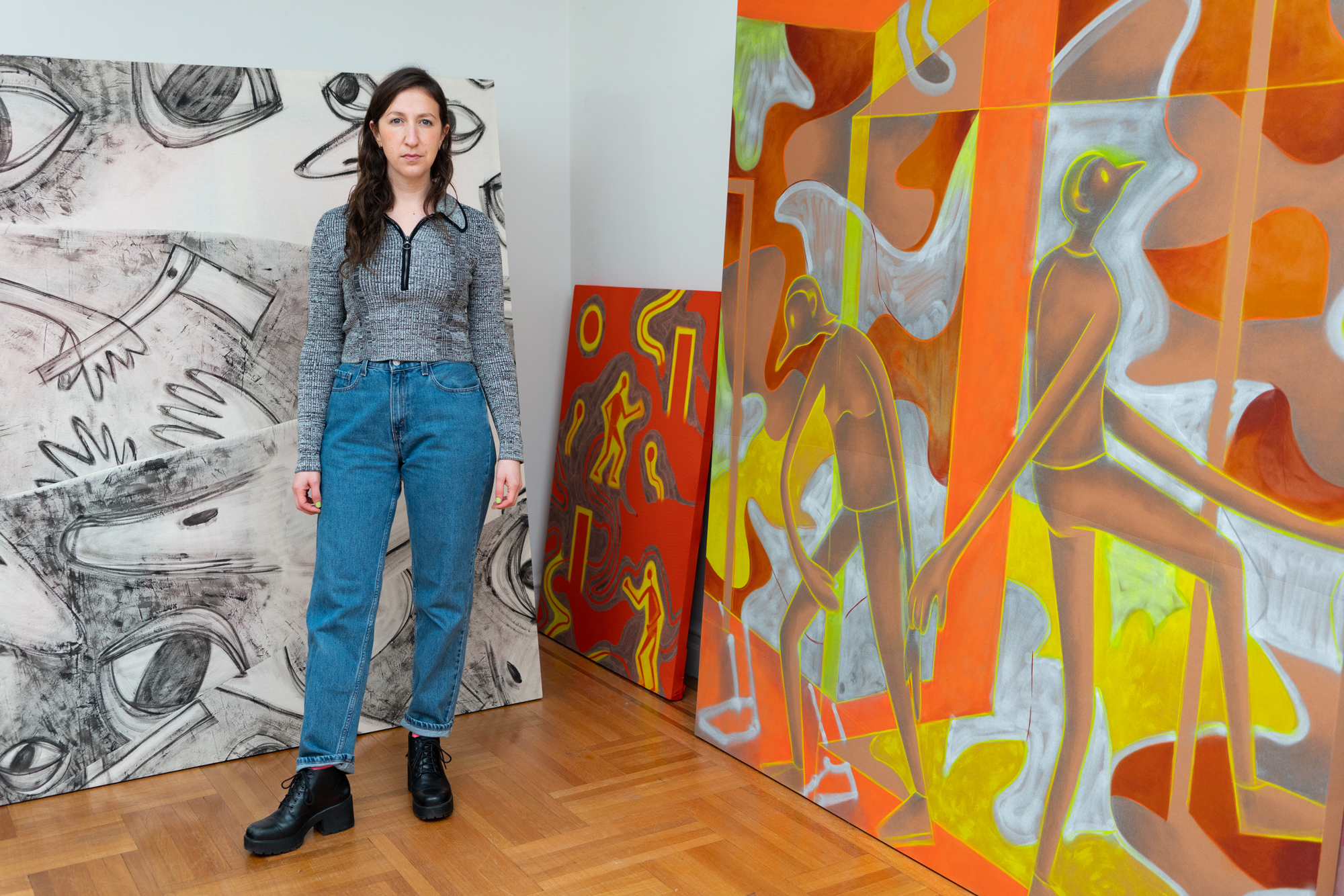
Interview: Jaqueline Cedar, Painter and Founder, Good Naked
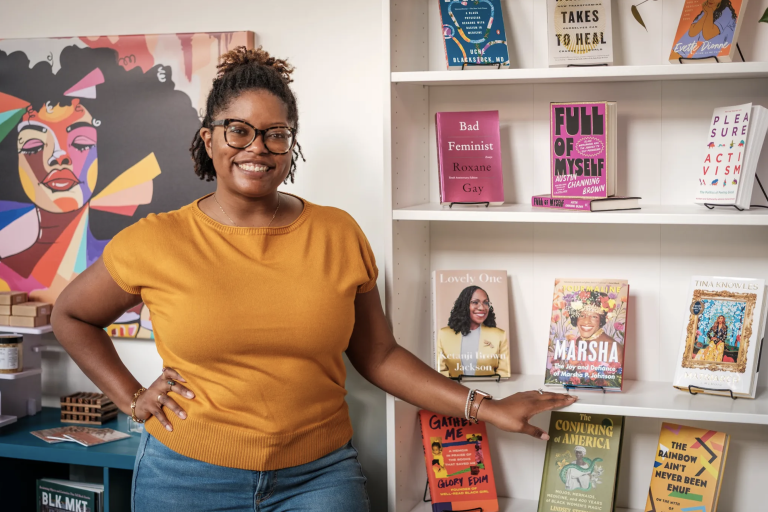
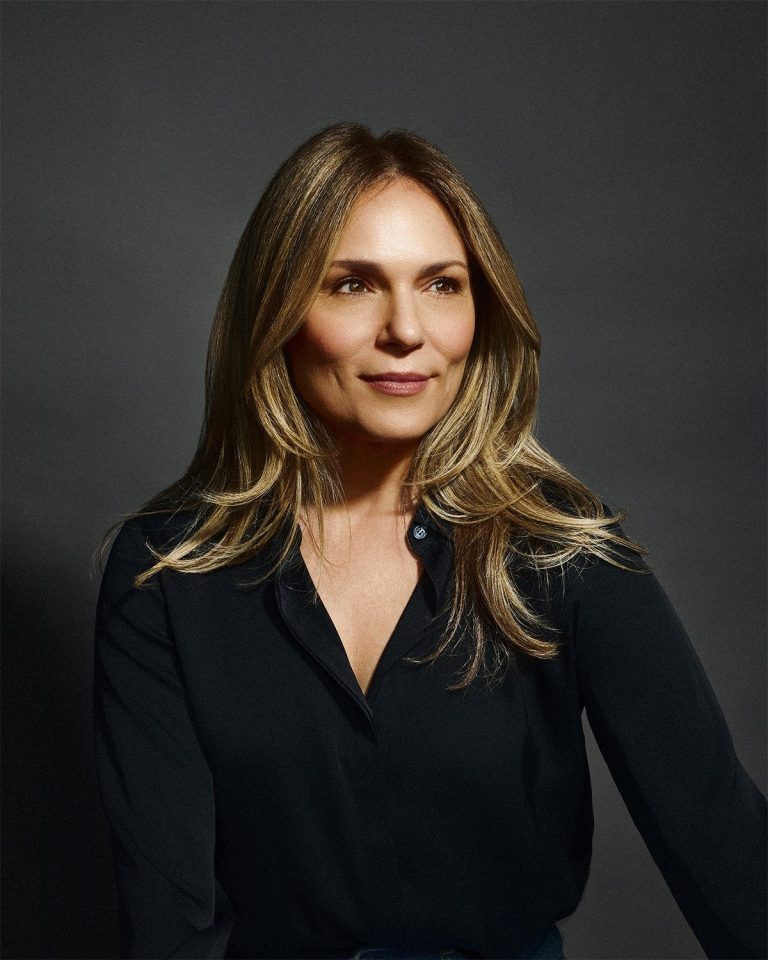
Jaqueline Cedar moves fluidly between roles that the art world often insists on separating: painter, curator, and founder of Good Naked, a Brooklyn-based gallery and project space built around experimentation, community, and emerging artistic voices. Her own painting practice is rooted in abstraction and figuration that often balances intimacy with a kind of formal restraint. That duality, between looking and making, between individual studio work and collective presentation, sits at the core of how she understands art more broadly.
Good Naked itself emerged from a desire to create a more porous kind of gallery ecosystem, one that prioritizes conversation, exchange, and visibility for artists who might not yet have institutional momentum. Rather than positioning itself as a fixed commercial platform, it operates more like a living studio extension: a space where exhibitions are as much about dialogue between works, audiences, and disciplines as they are about objects on a wall. In Cedar’s framing, curation is not a neutral act of selection but a relational practice shaped by attention, empathy, and proximity to artists’ lived realities.
What becomes clear across her practice is a sensitivity to process, both her own and others’. Having maintained an active studio practice alongside her curatorial work, Cedar approaches other artists’ work with an awareness of the labor, uncertainty, and persistence embedded in the making process. Her dual practices allow her to understand that artistic output is never singular, but the result of accumulation, revision, and often invisible decision-making.
At the same time, her thinking around Good Naked reflects a broader set of pressures shaping the contemporary art world: sustainability, attention, scale, and the tension between cultural and market value. Rather than treating these as abstract concerns, Cedar speaks about them as daily negotiations: how to support artists materially while still preserving space for risk, how to grow without diluting intention, how to maintain curiosity in systems that increasingly reward speed and visibility.
If there is a throughline in Cedar’s practice, it is an insistence on keeping things open: open systems, open conversations, open interpretations of what a gallery can be. That openness extends to how she describes her own motivations as well. Curiosity, for her, is not just an intellectual stance but a method of engagement, paired with a commitment to kindness as a guiding principle in how she builds relationships within the art world. Together, they create a steady framework for both her curatorial and artistic work; one that resists spectacle in favor of sustained attention.
You’re both a painter and a curator. How has maintaining an active studio practice shaped the way you look at other artists’ work?
I feel a keen empathy for the discipline required to maintain a life as an artist. When I enter an artist’s studio, I am sensitive to the diverse range of approaches that often lead to a more singular expression, and I love getting a window into the variety of ways an artist finds their way through discovery and iteration.
When you encounter an artist’s work for the first time, what tends to capture your attention before you’ve had time to intellectualize it?
I find myself drawn first by material use, scale, and imagery. Often there is an overall feeling that is striking in its relatability or some element of surprise. I love when an artwork pulls my attention toward something that leaves me seeing the world in a new way.
What kind of space did you want Good Naked to become that you felt was missing elsewhere?
I’ve always wanted Good Naked to make space for artistic voices that haven’t yet drawn the attention they deserve. At the onset of the project, a group of artists and art supporters rallied around opportunities to engage in conversation, and I’m continually searching for new ways to develop and build this community.
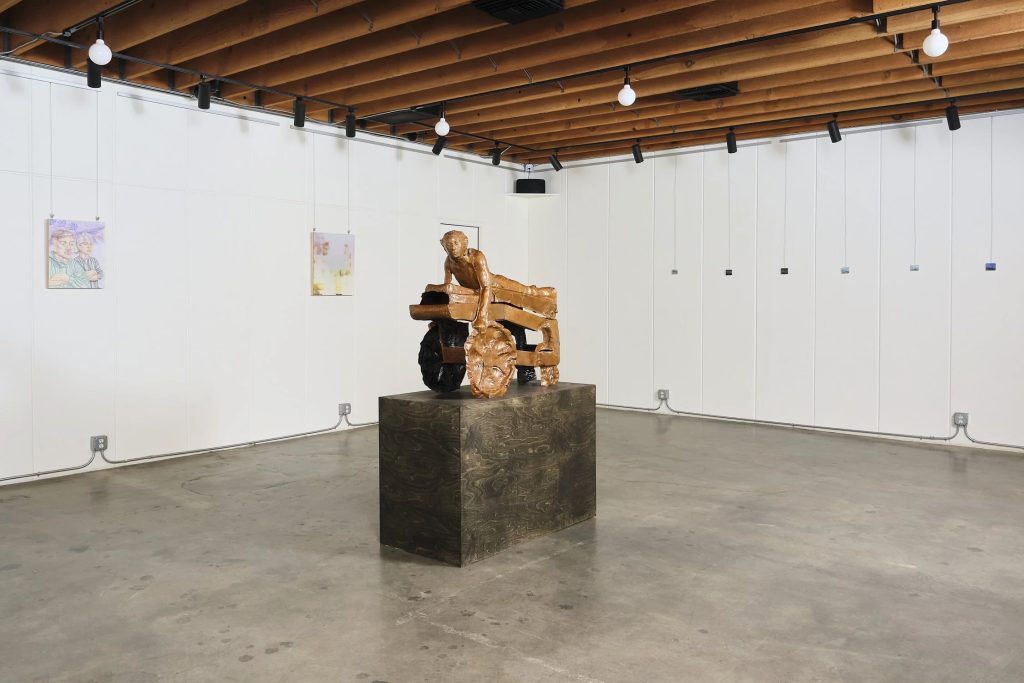
What makes a compelling exhibition for you beyond simply assembling strong individual works?
I love seeing how a wide range of works can start speaking to each other. And I’m particularly engaged when a diversity of audiences come together to engage with new material. It’s fun to see how a theater world interacts with object makers and vice versa– there are so many connections that aren’t often highlighted across communities.
What kinds of support do you think artists need most right now that they aren’t receiving enough of?
Time and money are often at a deficit, and one of the goals of the gallery is to offer more opportunities for both. The attention economy is ever-present, and I think daily about the best ways to present works to more viewers and generate the kind of sustainability that gives us all more time in the studio.
The art world often feels caught between cultural value and market value. How do you navigate that tension in your own work as a curator and gallery founder?
The aim is to offer both. We need market value, of course, to sustain programming. Ideally these ideas overlap, but sometimes one has to take priority, and for me the key is finding the balance so we are maintaining programming that is dynamic and encourages experimentation but also yields capital that will fund the next big idea.
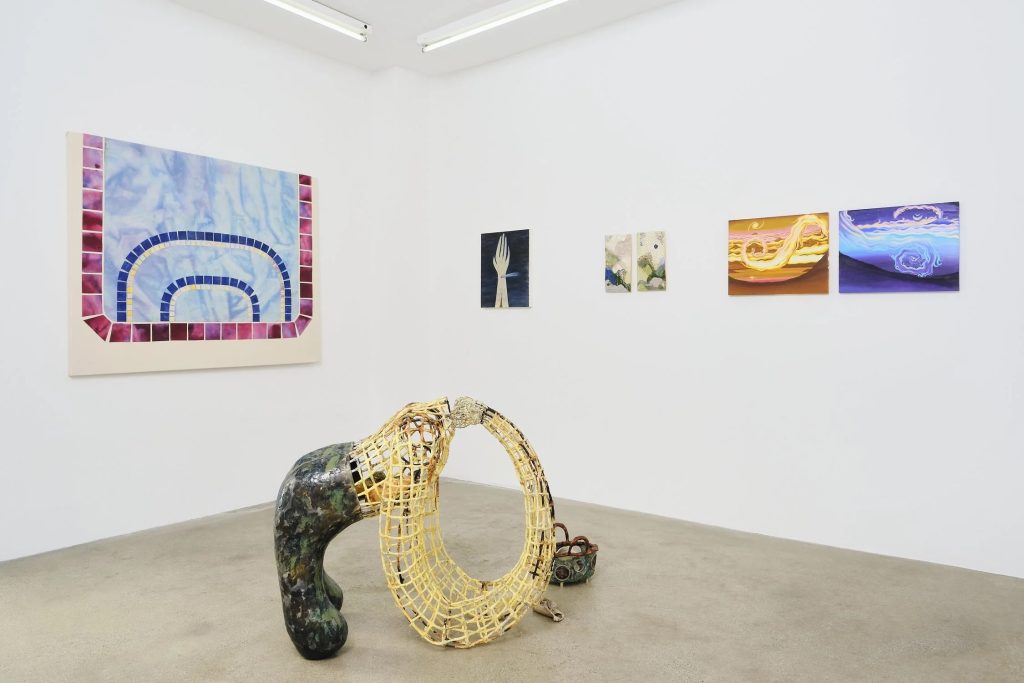
Are there shifts happening in the art world right now that genuinely excite you?
I’m always curious to see different gallery and fair models being tinkered with and pushed up against. I think we all need to question these pre-existing systems and continue to consider how they can work better for us as artists and institutions.
What aspects of today’s art ecosystem concern you most?
It seems there is often a push toward scaling up– I’m curious about how we can make space for smaller, quieter projects to grow without requiring a phase shift in production and values.
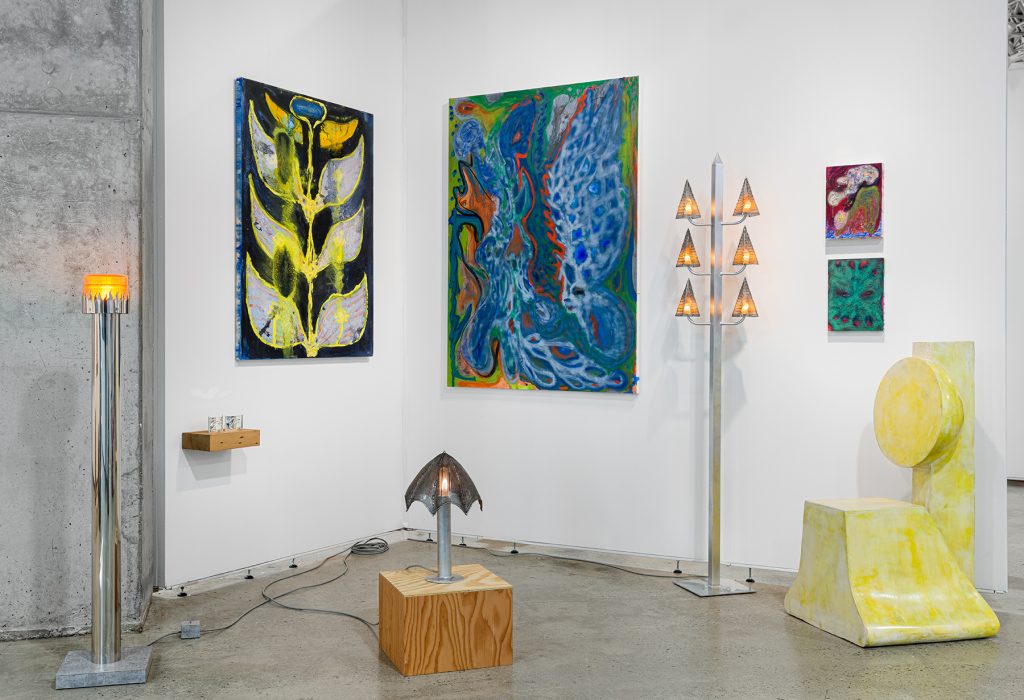
What is something you’ve become more interested in as you’ve matured as both an artist and curator?
Sustainability is a big question lately– finding balance between making and living. We all need time away from production to reset, reflect, and consider new ways of operating and staying in the game.
What keeps you curious?
Curiosity and kindness are my most valued intentions. For me, curiosity comes quite naturally, and I think it is built into my DNA. What’s more wondrous than discovering new ways of being in and relating to the world? The kindness factor is an added layer that drives the way I work with people and the way I seek out collaborators.
Click to learn more about Good Naked and Jaqueline’s work.