
Field Notes: February Global Creative Pulse
This is the first of what will become a regular dispatch: a way to pause, look around, and take stock of what’s moving culture forward across art, design, literature, and creative practice globally. Not a guide to “what’s happening this weekend,” but more a record of the gravitational shifts that, over time, shape how we think, live, and imagine. February has already offered a glimpse of what it means to make, preserve, and circulate culture with rigor, intention, and care.
Marrakech: Art as Bridge
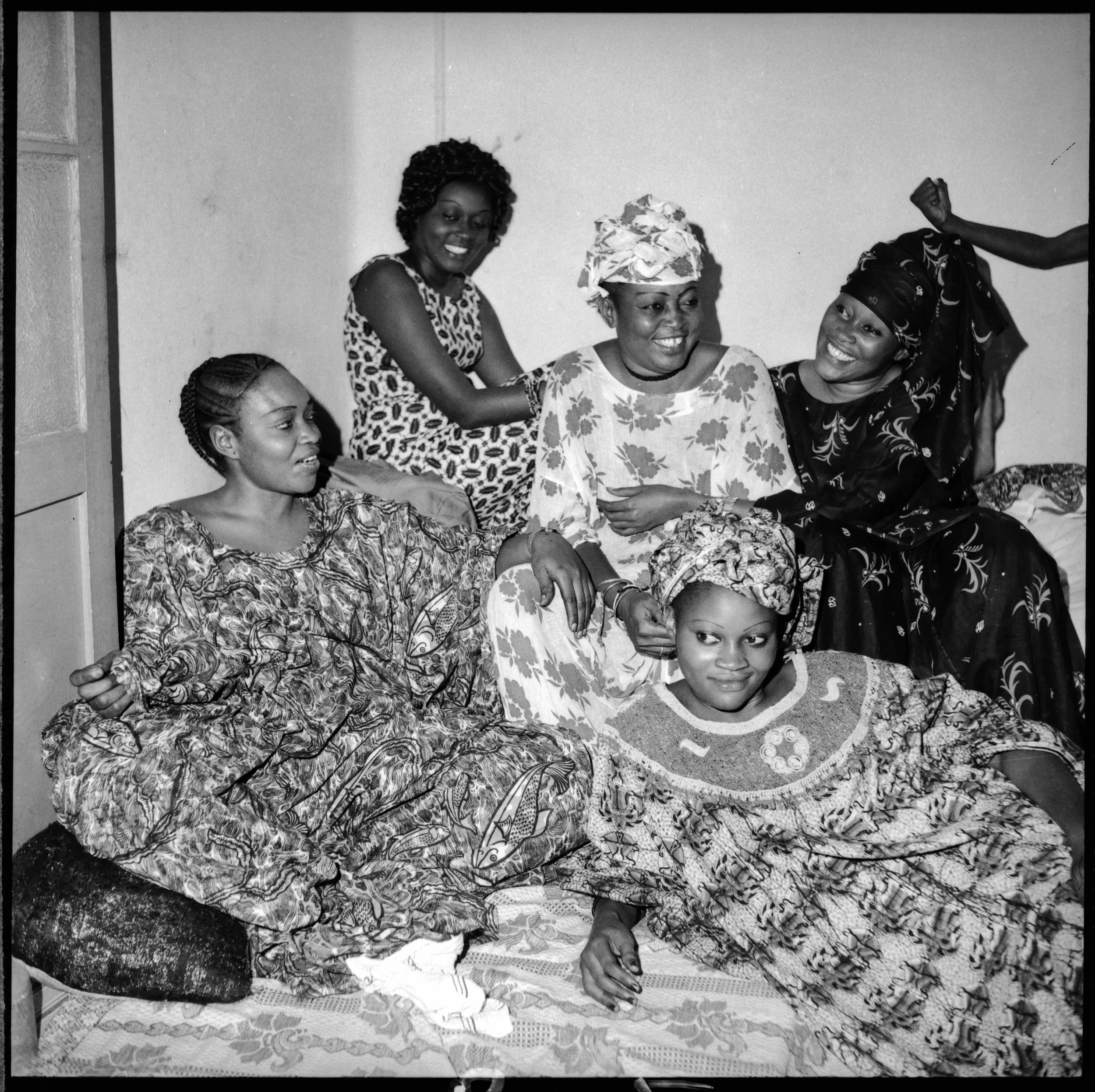
Adama Sylla, Untitled (Four Women),1950-1970, Print mounted on Dibond and framed,74 x 74 cm. Edition of 5. Courtesy of Galerie La La Lande.
Earlier this month, the 1–54 Contemporary African Art Fair opened in Marrakech, positioning the city not just as a venue but as a cultural crossroads. Artists from across the continent and diaspora presented work that interrogates memory, identity, and place. The fair’s quiet triumph is its insistence that African art exists on its own terms, resisting tokenization, spectacle, or simplification. For those paying attention, the energy radiates beyond the fair: new galleries are forming, collectives are consolidating, and international curators are beginning to understand that influence flows from Africa, not merely to it. 1-54.com
Tokyo: Light, Sound, Empathy
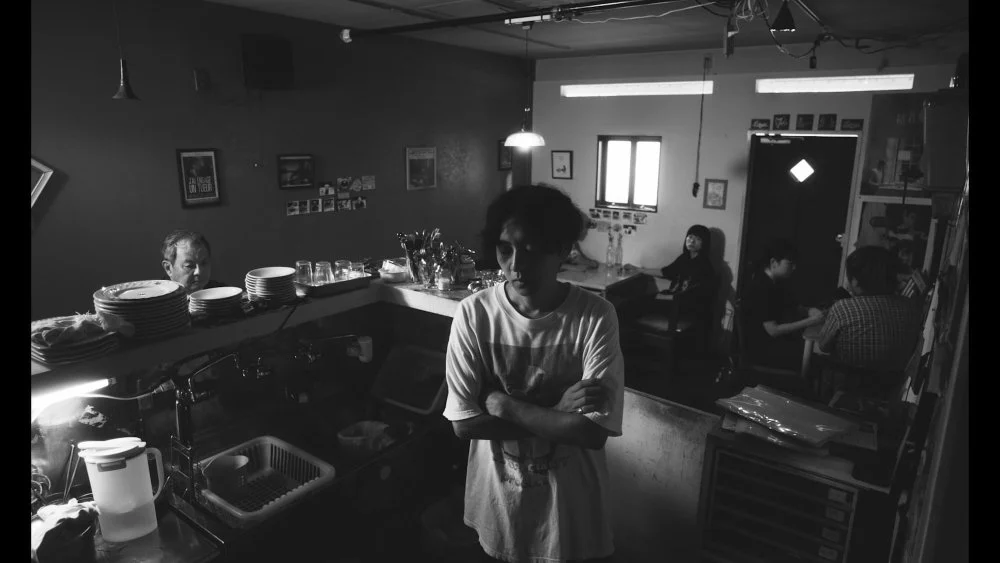
Still from Exne Kedi’s Daydream, 2026, by Ide Kensuke & Hokimoto Sora. Courtesy of Yebisu Festival.
In Tokyo, the Yebisu Festival continues to quietly redefine public art. Installation artists are exploring the intersection of technology, human behavior, and memory, turning streets, parks, and abandoned warehouses into immersive experiments in perception. These works ask you to pause, to walk slowly, and to consider what it means to inhabit a space collectively — even fleetingly. It’s a reminder that empathy can be built through atmosphere and design, not only dialogue.yebizo.com/en
Chicago: Architecture as Civic Inquiry
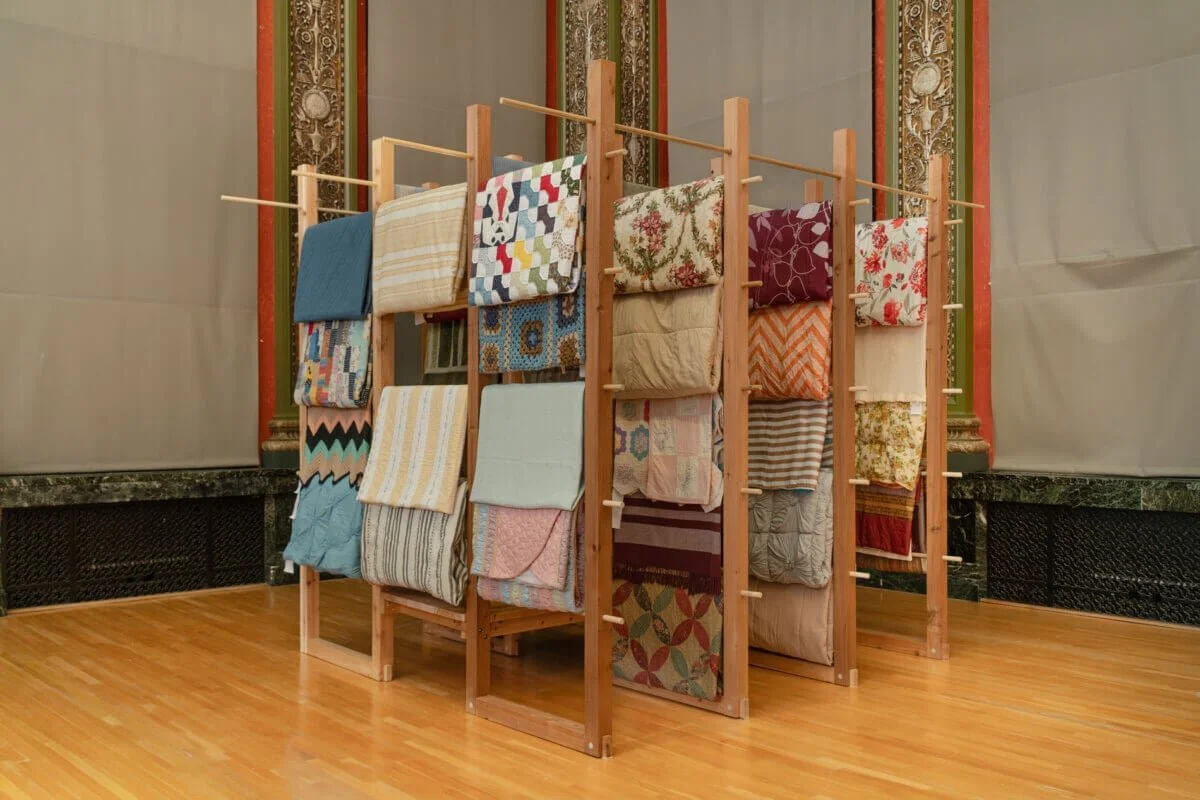
The Linen Closet, by Jason Campbell. Courtesy of Chicago Architecture Biennial.
In Chicago, the Architecture Biennial is reasserting the city as a laboratory for thinking about home, belonging, and migration, in SHIFT: Architecture in Times of Radical Change. Situated across the city, installations ask us to consider: what happens when buildings are not just containers for activity, but participants in civic life? From experimental housing prototypes to responsive public spaces, this 10th anniversary edition of the Biennial presents proof that design can be as much about ethics as aesthetics; an architecture of care, rather than mere spectacle. architecture.org
Small Presses as Homes of Creative Risk
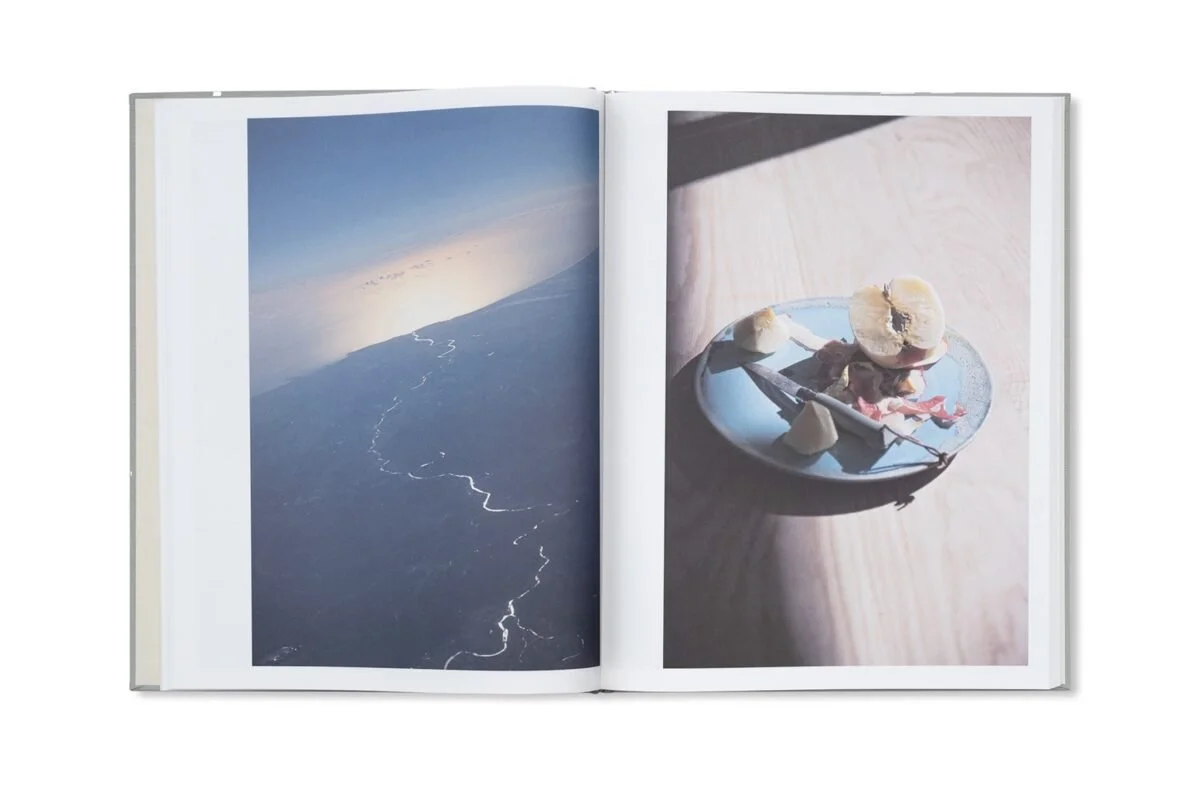
From the book M/E, by Rinko Kawauchi, 2025, published by torch press. Courtesy of torch press.
Independent presses remain one of the few spaces where true creative risk still thrives. Refreshingly unburdened by shareholder pressure and bestseller formulas, they publish work that is formally experimental, politically uncompromising, or emotionally unsettling. They give space to hybrid forms, genre-blurring projects, and voices that refuse easy categorization. In this way, small presses function as cultural R&D labs, testing ideas that later shape the broader literary and artistic landscape. In our upcoming Words issue (published this spring), we’ll dive deeper into the power of indie publishing, exploring how small presses are shaping not just what we read, but how culture itself is written and recorded.
Across continents and disciplines, culture is produced as much as it is nurtured. It take roots in the intersections: between heritage and experimentation, architecture and play, memory and aspiration. Watching these currents quietly ripple is a reminder that being attuned to the world, even in small ways, is a creative practice in itself.