
Home as a Moving Horizon
Home as a Moving Horizon
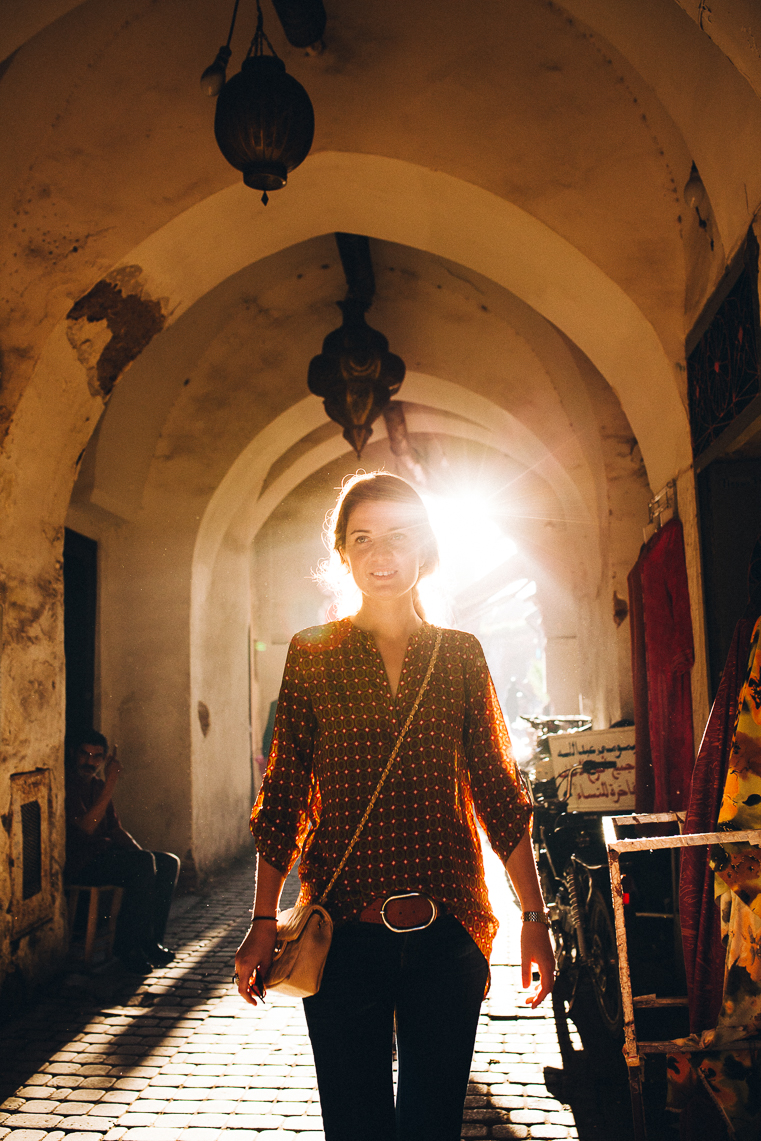
Sarah Casewit speaks about travel the way she builds an itinerary– with attention, restraint, and an insistence on intention. Born in Marrakech and now based in Spain, she has spent years moving between cultures with a fluency that informs each experience she creates for her clients. Across her career, she has planned journeys to Morocco and beyond, each shaped by the philosophy she returns to again and again: a trip should change you, and it should do so gently.
Her understanding of home is beautifully portable. “Home becomes the memories you carry around with you,” she says. “I try to recreate all the details and bring with me everything I love that makes me feel safe and comfortable in every new place I move to.” For Casewit, home is not a static origin but a set of sensory anchors: familiar light, particular rituals, the small things that keep the self intact as you cross borders.

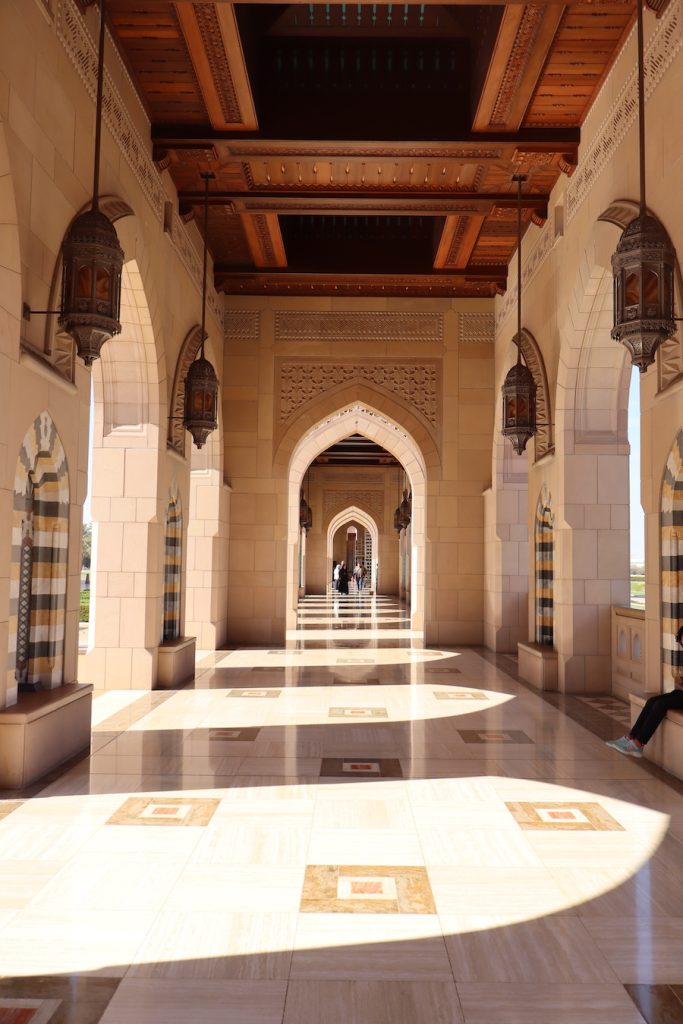



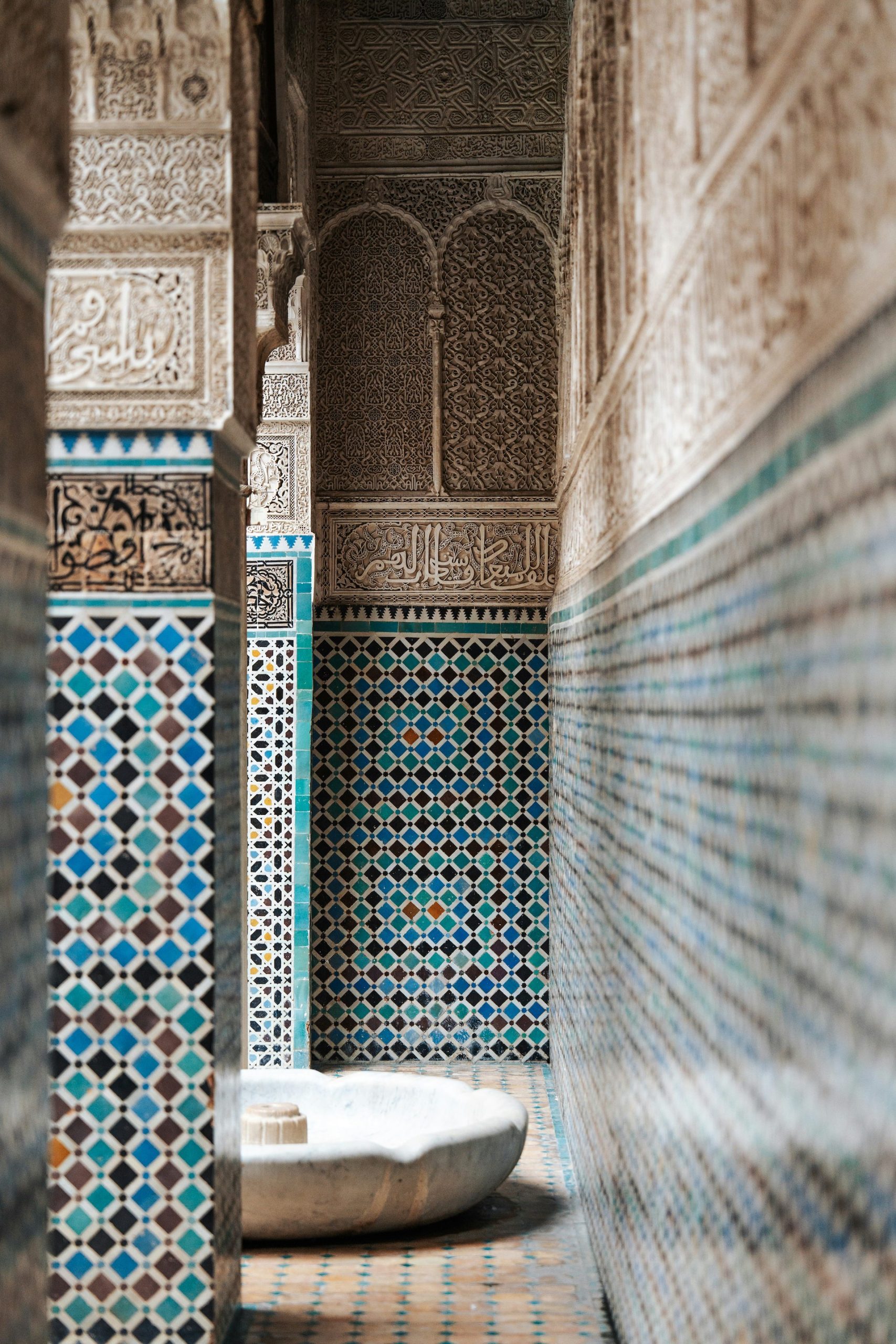
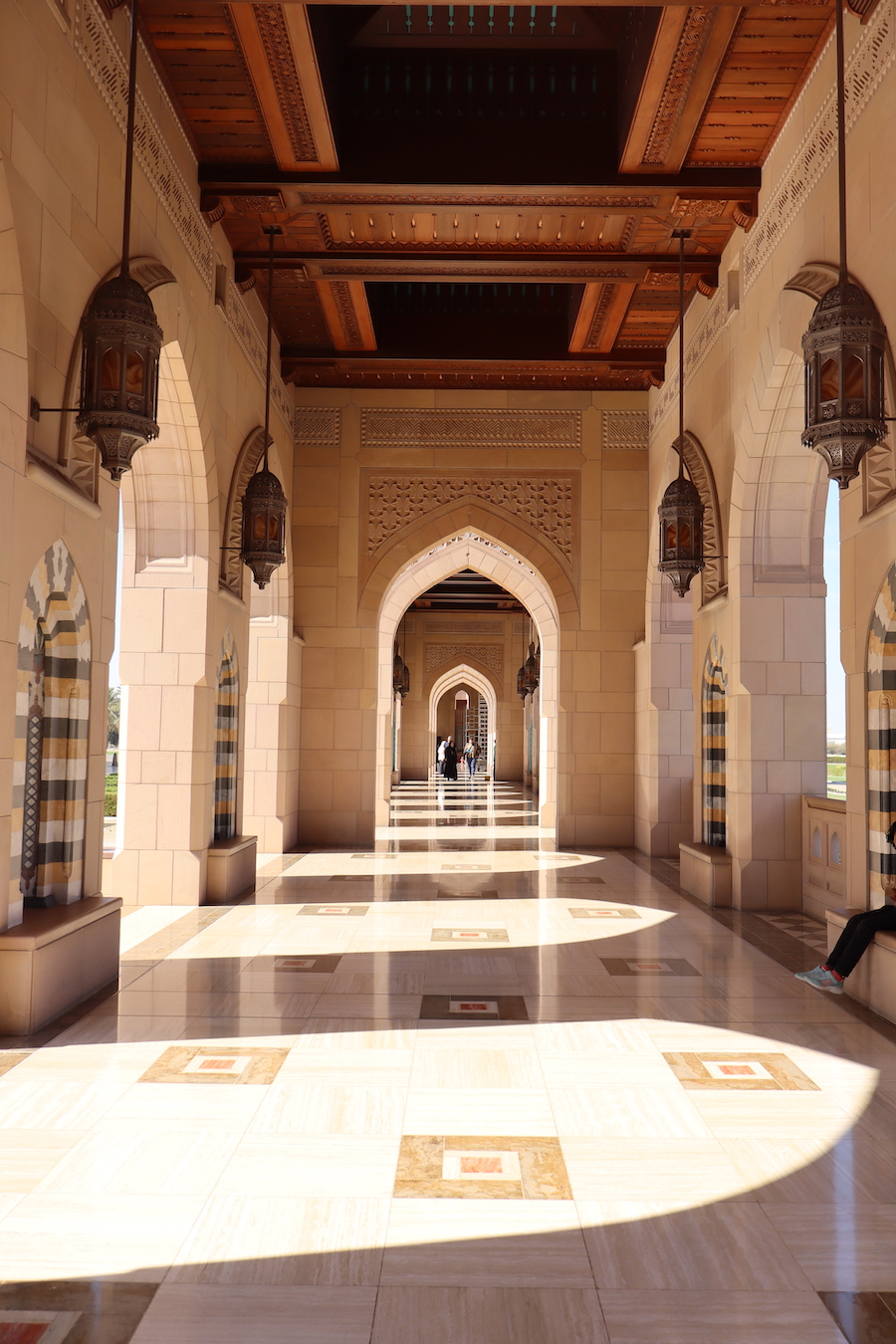

The way she designs travel begins with feeling. “It’s definitely a feeling,” she says, describing the intuitive spark that becomes the architecture of a trip. That instinct guides everything from pacing to the careful mix of movement and rest. She’s candid that the choreography doesn’t always go as planned. “Everything’s intentional. Sometimes it lands on my face, and sometimes it works perfectly.” That honesty, that travel planning is a living practice, not a perfected formula, is part of what gives her work its sensitivity.
Casewit’s definition of luxury travel is refreshingly clear-eyed at a time when the concept of luxury is ringing ever more hollow. “Anyone can book a five-star hotel if you have the budget,” she says. “That’s easy.” For her, true luxury is depth: the quiet, life-altering moments that come from entering a culture’s interior– a scholar’s library, an artisan’s studio, a family-run courtyard where generational knowledge is still practiced. Luxury, she says simply, “is care.”
That commitment shapes her choices on the ground. She gravitates toward locally owned and locally run spaces rather than the foreign-operated properties that dominate travel trends. “I tend to steer away from the trending hotels because they’re usually run and owned by foreigners,” she says. Her metric is stewardship: who benefits from this booking, who is represented, who holds the keys to the narrative of place.
Slow travel, a phrase now often reduced to algorithm-centered aesthetics, has a precise definition in her practice. “When you’re traveling with the intention of slow travel, you’re taking time to allow your senses and your emotions to absorb what this destination has to offer,” she explains. She encourages travelers to embrace long journeys – a 48-hour train ride, a contemplative walk, and to take their time upon re-entry after transformative experiences, so the memory can settle and take shape rather than evaporate.
Ethics are foundational rather than decorative. “Socially conscious travel starts with respect,” she says. That respect shows up in her insistence on fair compensation for artisans, on partnering with guilds with long-standing reputations, and on building itineraries that reinforce rather than extract from local economies. Casewit avoids the performative sustainability that many brands rely on. Her approach is grounded and human-scaled.
Humility, too, is non-negotiable. When access exists but readiness does not, she urges restraint. “Just because you can doesn’t mean you should.” For her, some places should not be entered casually; they require openness, preparation, and a willingness to listen before stepping inside.
Ultimately, Casewit’s itineraries are acts of hospitality; invitations to treat every place as someone’s home, because it is. For her clients, she arranges days in contrasts: a more physically challenging morning is softened by a spacious, quiet afternoon; a moment of surprise is balanced by reflective stillness. “I try to design journeys that breathe.” The breath is intentional, and in her hands, it feels like the rarest luxury of all.
Learn more about Sarah at sarahcasewit.com
Footnotes:
On Place, Belonging, and the Art of Being At Home in Motion
In Sarah Casewit’s world, home isn’t something you leave behind; it’s something you learn to carry. Her approach to travel, to creative practice, to hosting and guiding others through Morocco and beyond, reframes movement as a form of grounding rather than dislocation. We have gathered a constellation of books, films, and artistic references that echo the same ideas threaded through her feature: belonging as an active practice, memory as an architecture, and home as a feeling we’re constantly building, wherever we land.
James Baldwin, The Devil Finds Work: A lucid reckoning with race, displacement, and the emotional architecture of belonging. Baldwin’s relationship to America and Europe mirrors many of the questions Sarah raises about home becoming internal.
Amin Maalouf, In the Name of Identity: A foundational text on how identity stretches, reshapes, and layers itself as we cross borders. A companion to Sarah’s reflections on how belonging evolves with each place she lives and works.
The films of Agnès Varda: Especially Vagabond and The Gleaners & I, which frame wandering as an emotional state and treat transience as its own form of intimacy.
Mina Stone, Cooking for Artists: A reminder that home can be constructed from small rituals: a kitchen table, a pot of something simmering, and more importantly, room filled with people you’ve chosen.
The journals of Isabelle Eberhardt: A Swiss-Algerian writer who lived nomadically across North Africa. Her work reads like a precursor to the kind of grounded, context-aware travel Sarah practices.
Etel Adnan, Sea and Fog: Fragments that move like travel itself; tidal, nonlinear, and just a bit out of sorts. Adnan’s sense of homeland and displacement offers a lyrical counterpoint to Sarah’s ideas of finding home in connection and curiosity.
The photography of Lalla Essaydi: Reexamines Moroccan womanhood, space, and self-representation. A visual meditation that complements the ways Sarah speaks about culture, lineage, and the stories held in places.