
The Art of Designing Retail Spaces for Human Experience
Walk into a good store, and you may not immediately notice what has been designed for you. You notice the jacket, the chair, the photograph on the wall, the strange object you didn’t come in looking for. You notice where the light falls or the fact that you somehow ended up in the back of the room. You might notice that you feel comfortable enough to stay a little longer. That feeling is not accidental.
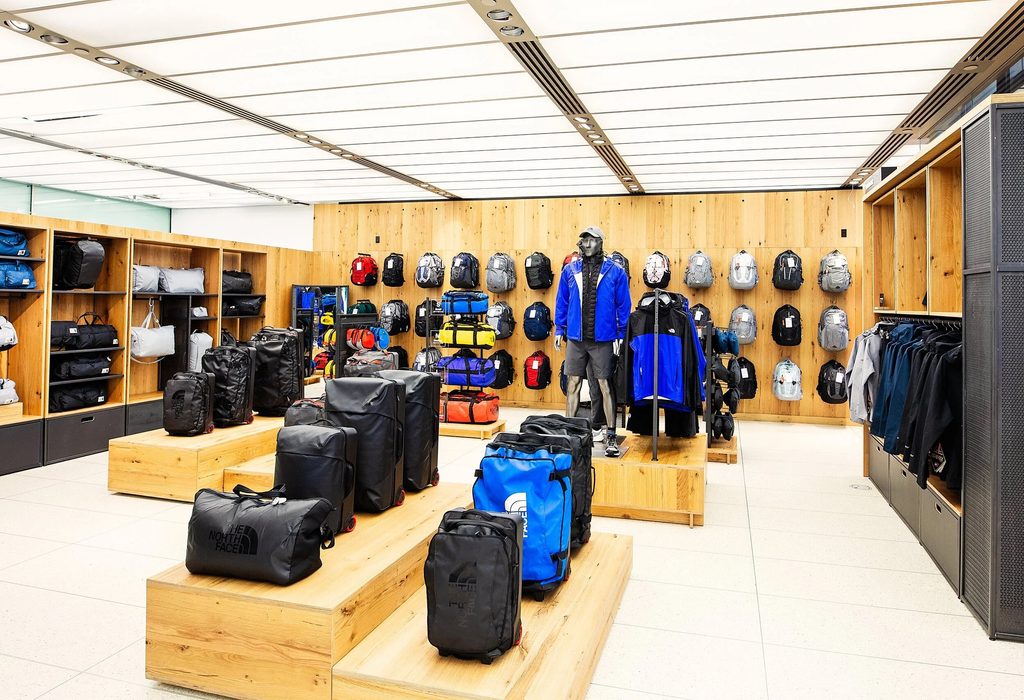
For California-based designer Chele McKee, the spaces where we shop, sleep, gather and move through the world are opportunities to shape an experience before a person ever thinks about buying something. Over a career spanning retail, hospitality and brand experience, she has worked with some of the world’s most recognizable brands, including Disney, adidas, The North Face and Gap, while developing environments for newer brands such as SITKA and The Tot. Her work has also moved beyond traditional retail into hospitality and destination spaces, including the Grand Hotel on Mackinac Island and Sanctuary Beach Resort.
The through line is not a particular aesthetic. It is the person walking through the door.
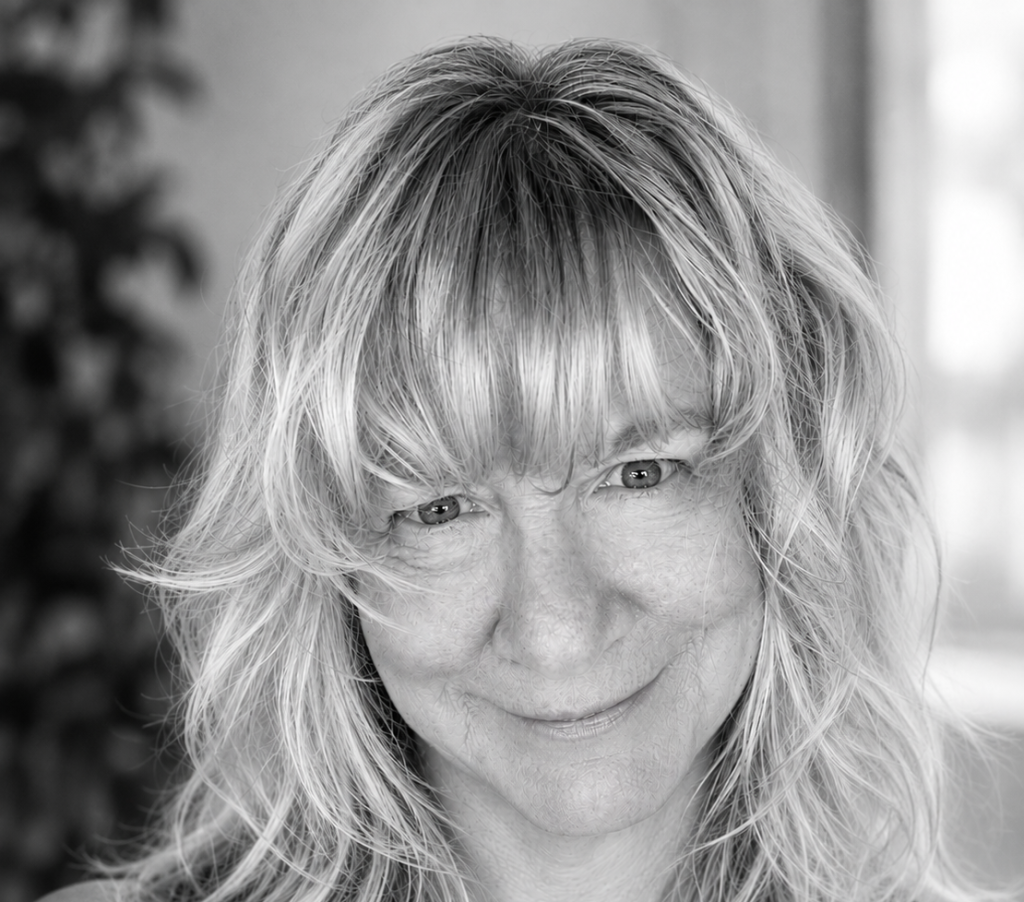
“I bring a beginner’s mind to everything,” McKee says. It is both a creative philosophy and a practical one. Before she starts drawing or designing, she wants to understand the people who will actually inhabit the space. She asks clients to imagine what is possible, then goes to the site herself, watches what happens, and pays attention to what people notice, where they pause, and how they move.
She calls her initial exercise a “magic wand concept.” Clients fill out a series of questions designed to get beyond the immediate brief and into what they really want to accomplish. Then McKee visits the site, listens to the business strategy, and observes the experience as it currently exists. She might spend a day or two filling pages with ideas before the solution begins to come into focus. “I can pretty much see things really quickly and in my mind how it needs to be,” she says.
It is tempting to think of this as intuition, but McKee’s process is as analytical as it is imaginative. She is looking at the physical space, certainly, but also at the person moving through it. The distinction matters. A floor plan can tell you where someone is supposed to walk. It cannot necessarily tell you why they stopped, or where they want to go next.

“I think empathy, observation, and beginner’s mind tell you where they’re going to pause, tell you what they’re going to notice, and tell you what they might remember and come away with.”
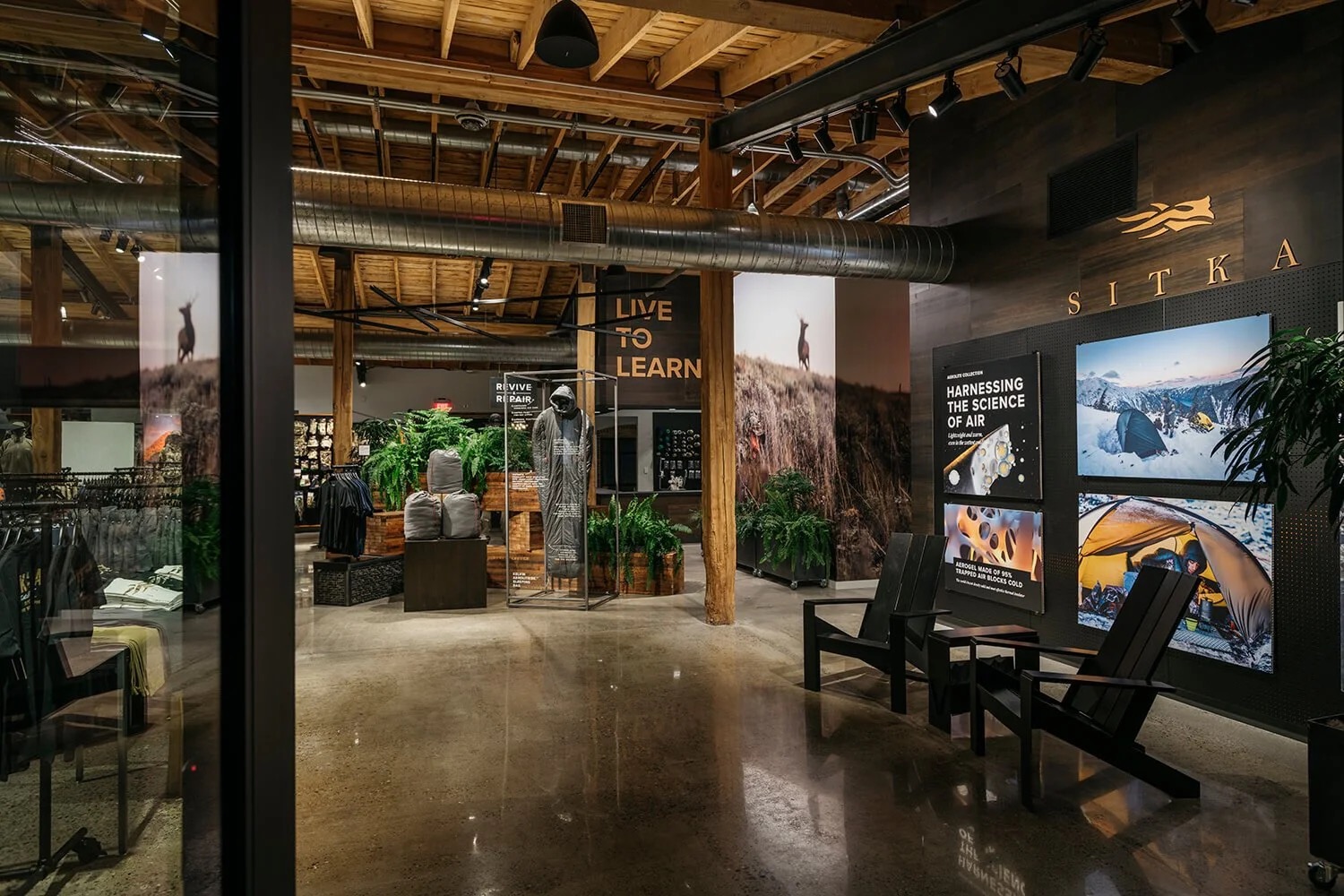
That approach has taken her into some worlds she initially knew little about. When the hunting brand SITKA approached her, McKee wasn’t a hunter. Rather than treating that as a limitation, she treated it as an invitation to learn. She traveled to Bozeman, Montana, met with company leaders, and went into their homes to see how they stored their gear and prepared for trips. She watched the culture around the product rather than simply studying the product itself. She began to understand what the brand meant from the inside. “And so it felt authentic to me. It felt authentic to the brand, and it felt authentic to the guest.” That last part is the point. McKee isn’t designing for an abstract consumer profile. She is trying to understand the person who is actually standing there.
At Disney, that meant thinking about children at their own eye level. After being recruited from Baby Gap, where she had helped turn the business around, McKee was brought in to help restore some of the magic to Disney’s retail experience. One of her observations was almost absurdly simple: children don’t see the world from an adult’s height. “They see everything four feet and under,” she says.
McKee began looking at the Disney Store through that sightline, bringing elements of merchandising and surprise down to the level where children could actually see them. She called it the “Four Foot and Under” rule, and says the shift changed both the business and the experience.

The lesson is bigger than Disney. Every space has a point of view because every space assumes something about the person inside it. Where you place a sign assumes where someone will look. How high you hang a photograph assumes something about the body encountering it. The distance between a display and a doorway tells you whether you should keep walking or stop. Even an empty corner can be telling you something. McKee is particularly interested in those gaps. “Curiosity doesn’t come from squeezing something into every square inch, but creating blank space.”
That idea feels increasingly relevant in a physical world that has spent years trying to eliminate friction. Retail has become extraordinarily good at telling us where to go, what to click, what to buy, and how quickly we can have it delivered. Hospitality has adopted increasingly elaborate forms of personalization. Brands have learned to turn physical environments into content. And almost every interesting corner of a store, hotel or restaurant can now become a backdrop for someone’s phone. McKee sees another direction emerging.
For years, retail designers talked about “Retailtainment,” then “Showrooming,” then “Brand Experience.” The terminology keeps changing, but McKee thinks the larger shift is from spectacle toward something more human. “It’s more high-touch, low-tech now,” she says.
That may sound counterintuitive after years of screens, interactive installations and increasingly elaborate digital environments. But the physical world has developed a new advantage precisely because so much of our lives now happen through a screen.
We can order almost anything without entering a store. We can see a hotel room before booking it. We can compare dozens of products without touching any of them. We can read reviews, watch demonstrations, and some people might even ask AI to tell them what something is worth. What technology can’t quite reproduce, however, is the visceral feeling of being somewhere.
McKee talks about fabric as an example. Online, a jacket can be reduced to an image, a description, and a list of technical specifications. In person, you can touch it. You can try it on. You can discover that something looks soft on a screen but is actually scratchy on the skin, or that a material feels unexpectedly wonderful. More importantly, you can encounter another person.
“Tell me about the best jacket that kept you dry when you were on your trek to Alaska for eight years,” McKee says. “I want to know that. I don’t want to scroll on a screen and read your features and benefits.” That instinct has shaped her work across categories that might initially seem unrelated. A hunting store, a children’s retailer, a performance brand, a luxury hotel: each asks people to move through a space differently, but each is ultimately asking the same question. What should this person feel here?
At Sitka, McKee’s work helped transform the store into something closer to a gathering place, with space for events and community alongside the merchandise. At Grand Hotel on Mackinac Island, she rethought a historically significant retail corridor as an extension of the hotel’s larger story, blending shopping, hospitality and discovery. The distinctions between retail and hospitality, she believes, are becoming less useful anyway.
“Retail can learn from hospitality on how to welcome and anticipate needs,” she says. “And hospitality can learn from retail on how to create energy, discovery, and drive transactions.”
The interesting part is not choosing one over the other. It is what happens in the space between them.
A hotel can become more than a place to sleep. A store can become more than a place to purchase. A restaurant can become a place to linger. A nursery can become a place where someone learns how to keep a plant alive. A gallery can become a place to encounter something you didn’t know you were looking for. In each case, the environment is doing some of the storytelling.
McKee describes one of her most consistent tools as a “launch moment”: the thing that happens immediately when you enter a space that stops you for a second and establishes the mood. It might tell you where you are, what the brand believes, or simply give you a reason to look twice.
“Design isn’t decoration,” she says. “It’s choreography.” That distinction is important. Decoration can make a place beautiful. Choreography determines what happens there.
It is also why McKee pushes back on the idea that the architect, designer, or brand can simply fill a room with beautiful objects and call the job finished. She often comes into projects where an architect has already created the physical structure. The architecture may be excellent. But experience requires another layer of thinking: where people stop, what they see first, what they understand immediately, what they discover later, and what they remember when they leave.
There is an art and science to that, McKee says. The science is circulation, operations, commercial performance, and all the measurements that keep a business running. The art is knowing when to leave something unresolved.
She has seen the consequences of getting that balance wrong. American retailers have become exceptionally good at optimization: inventory turns, conversion, efficiency, speed, scalability. Those things matter. But when every square foot is required to justify itself, something else can disappear. “I think we’ve forgotten in many instances how to treat people like emotional beings and less like consumers.”
It’s a striking distinction because it asks us to reconsider what a consumer actually is. We tend to imagine the consumer as the person who enters a space with a need: find the shoes, buy the groceries, check into the hotel, replace the moisturizer. But no one actually enters a space as only a consumer. They arrive tired. Curious. Distracted. Excited. With a child. With a friend. Alone. They have memories and expectations and associations that existed before they walked through the door. McKee’s work begins there.
It is why she can walk into a hunting brand as a non-hunter and learn the culture by observing the people who live it. It’s also why a child’s four-foot sight line can become a design principle. And it is why she is interested in blank space as much as filled space. The best physical environments don’t necessarily demand our attention. They give us reasons to give it.
That may be one reason McKee thinks retail design deserves more cultural attention than it gets. Unlike many forms of design that we encounter intentionally, retail is everywhere. Supermarkets. Gas stations. Pharmacies. Post offices. Boutiques. Airports. Hotels. We move through these environments constantly, often without thinking about them as designed experiences at all. But they are shaping us. “I think retail apps, retail design, and experience absolutely deserve more attention and appreciation,” she says.
The idea becomes even more consequential as artificial intelligence and increasingly sophisticated digital tools begin to mediate more of daily life. If technology can answer the question, recommend the product, generate the image, and deliver the object, physical space has to offer something different. McKee thinks that something is connection. “We need inspiration. I know I do. We need correction, connection. We need surprise and delight, and we need places that remind us that we’re human.”
This is perhaps the simplest argument for taking physical space seriously. Not because every store needs to become an immersive installation or every hotel needs a theatrical lobby. In fact, the opposite may be closer to the point. The most meaningful spaces may be the ones that understand when to perform and when to leave room for discovery.
Think about the last place you remember rather than merely visited. Maybe it was a shop where someone told you the story behind something you bought. A hotel where you found yourself lingering in a lobby long after you had checked in. A restaurant that made you feel like you had discovered it rather than simply booked it. A garden center where someone showed you how to keep a plant alive, and somehow you still remember their advice years later. Those memories rarely come down to a floor plan. They come from the feeling that someone thought about what it would be like to be you in that place.
main image: SITKA flagship store in Bozeman, Montana. Photo by Derik Olsen.