Instinct, Craft, and the Pursuit of Making
James Galbraith’s work at PostBoy reveals a chef shaped equally by kitchens, ceramics studios, Japanese street stalls, and a lifelong eye for design.
James Galbraith’s education was pieced together the way certain artists learn to see– by living inside the work. Cookbooks stacked on the floor. Late nights in Chicago kitchens. Stages spent observing more than speaking. He calls it “stitched together,” but the result is unmistakably whole: a sensibility shaped by craft, curiosity, and an almost architectural attention to detail.
Ask him what influenced him most in those early years, and he doesn’t hesitate. “I have many cookbooks,” he says, “but Homegrown by Matthew Jennings was the most influential for me.” It’s telling: Jennings built his reputation on using place, memory, and restraint as building blocks. Galbraith absorbed that lesson early– that food, at its best, is design.
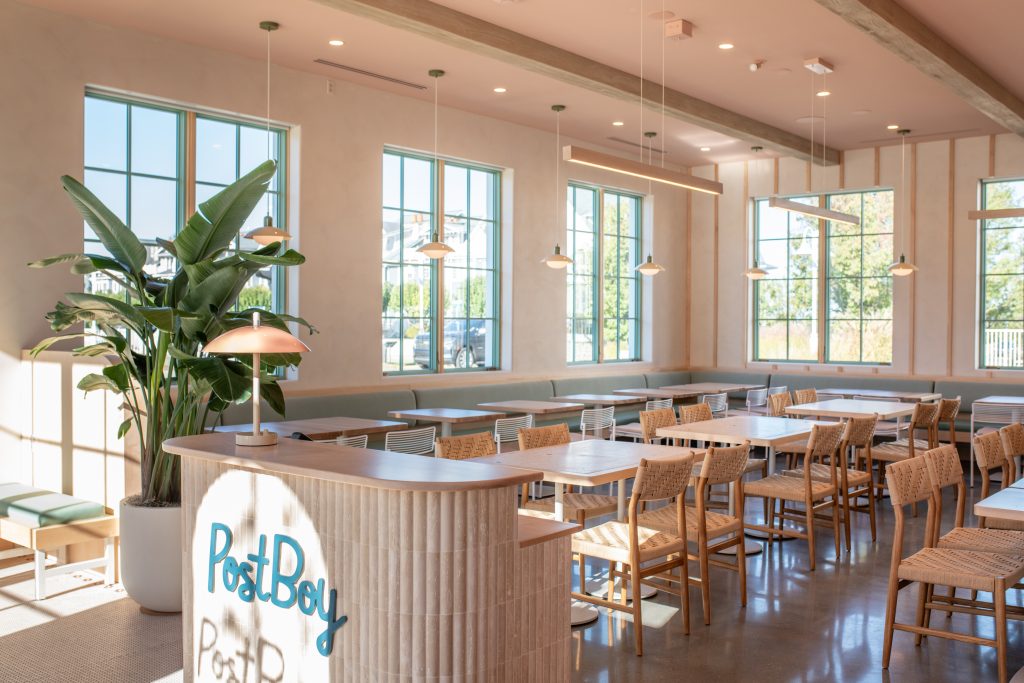
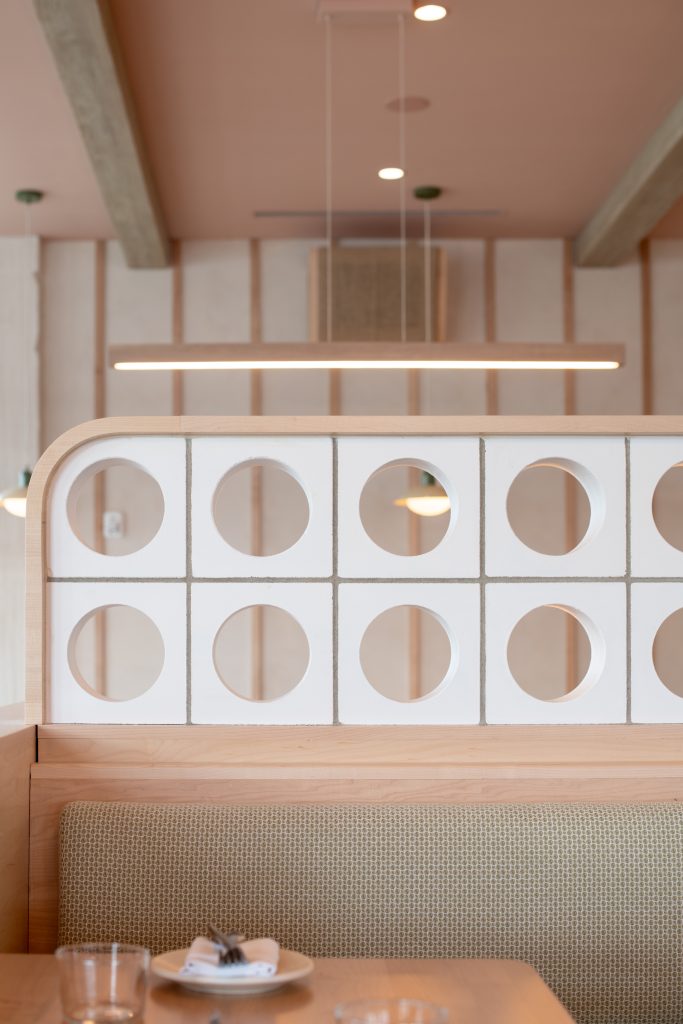

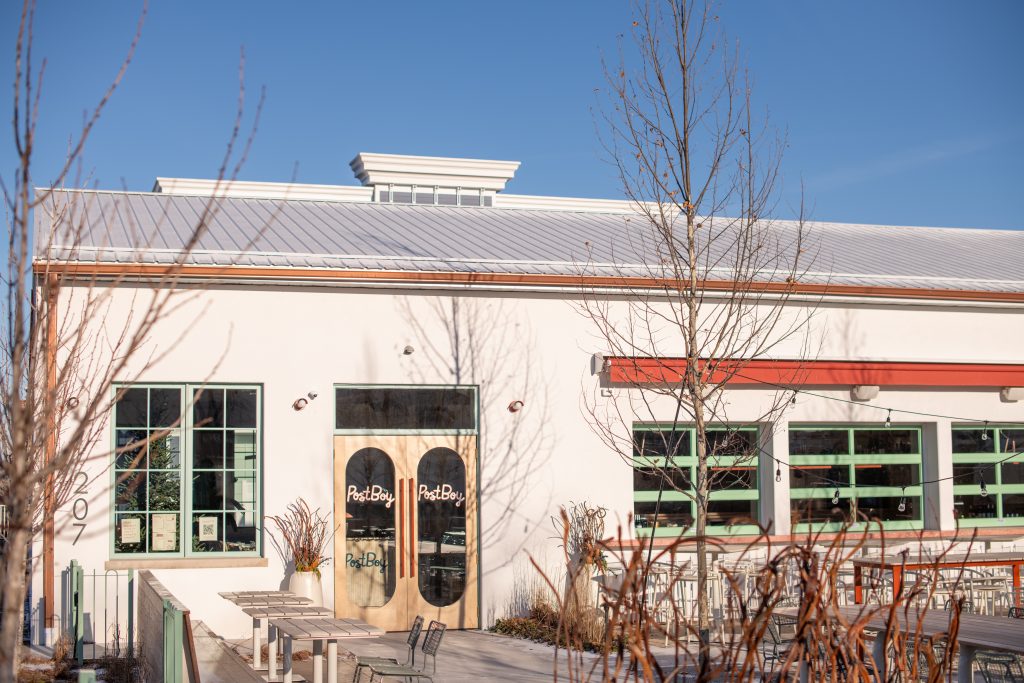
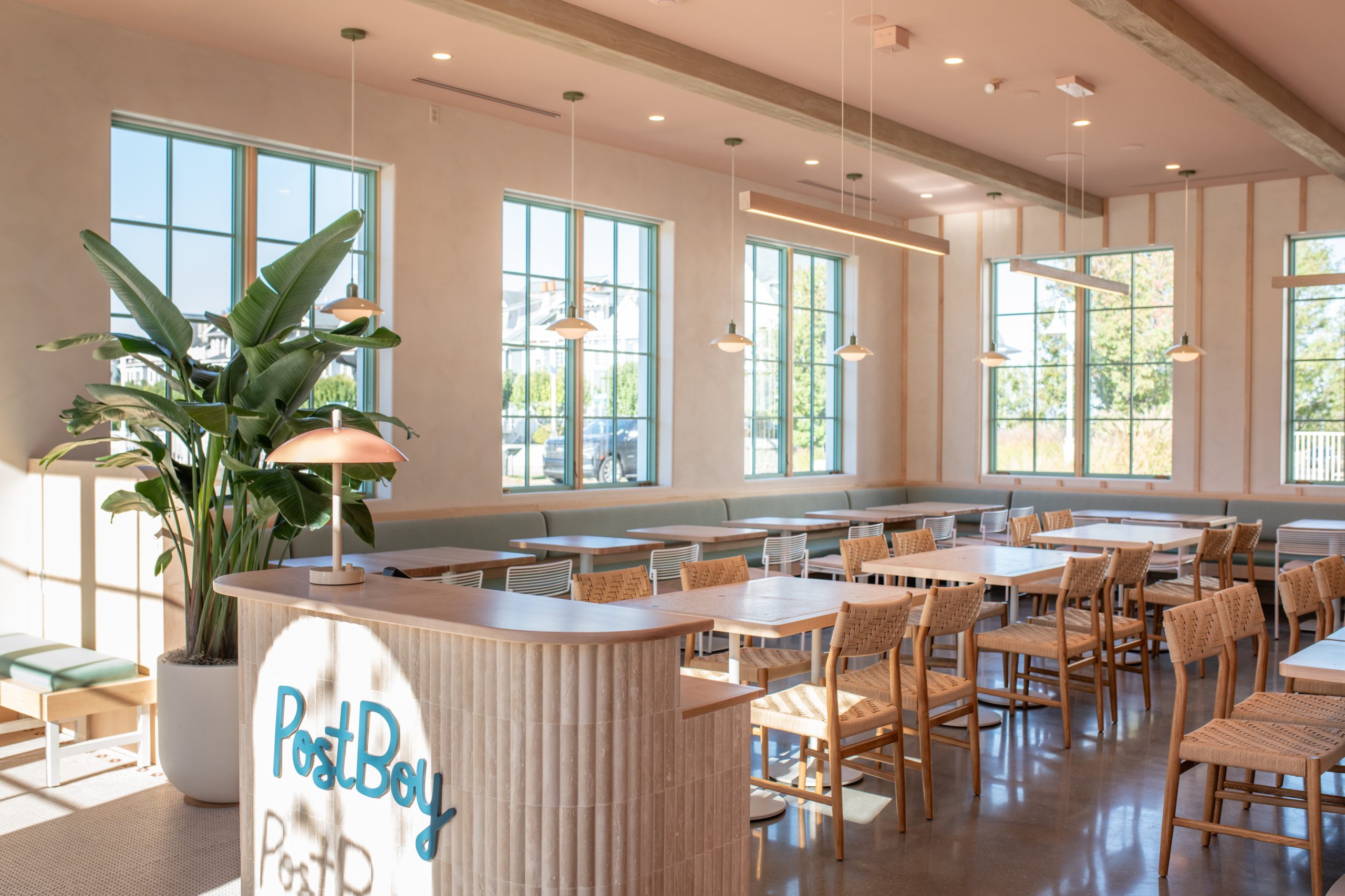
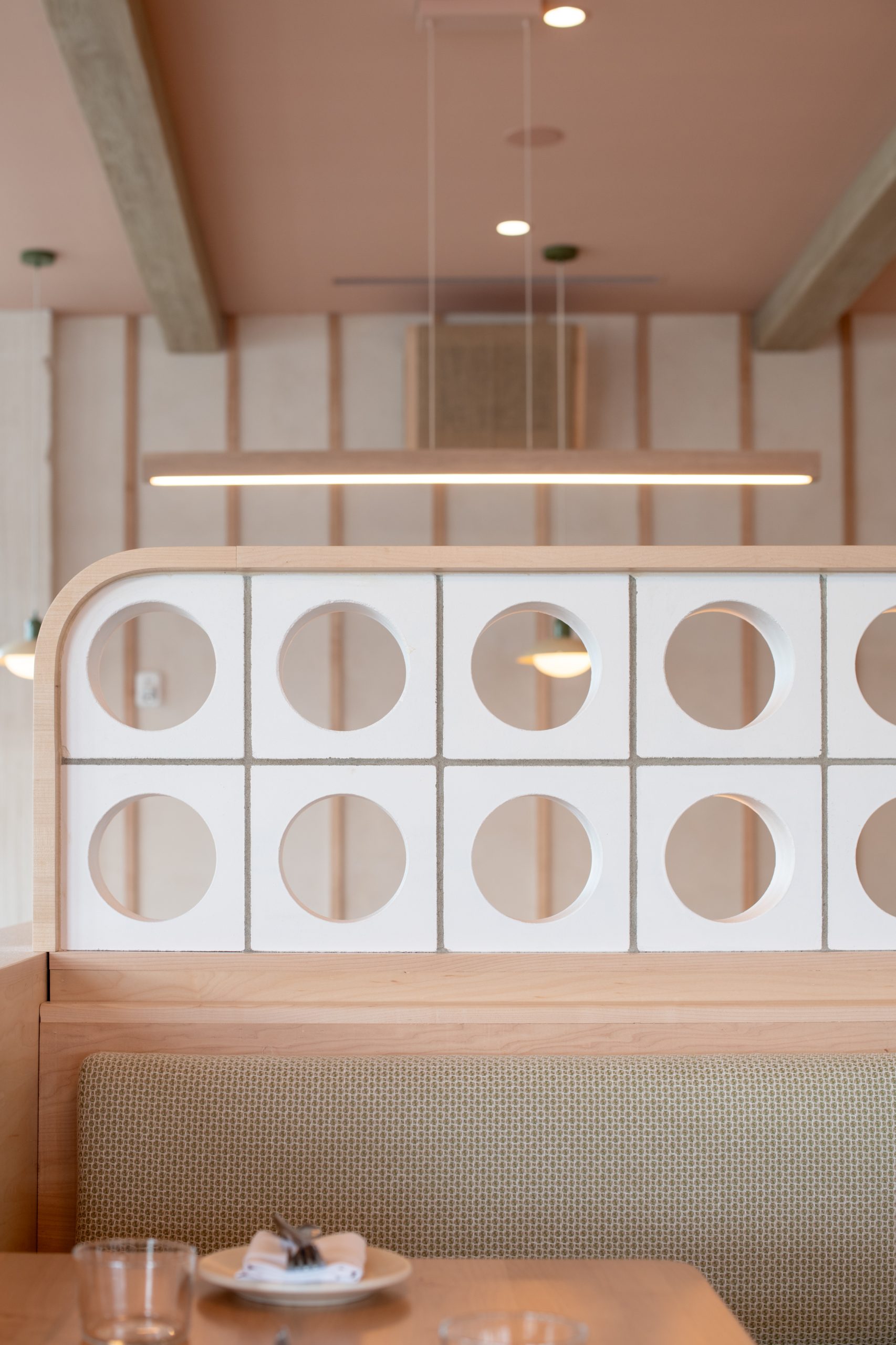


Now, at PostBoy, the restaurant he co-owns in New Buffalo, Michigan, that design sense shows up everywhere. It’s in the way he builds dishes– crisp, minimal preparations that borrow equally from Japan, South America, and the Great Lakes. It’s in the curve of the dining room, which echoes the classic American diner forms he’s always loved. It’s in the plates themselves, handmade by Myrth Ceramics in a warm, matte palette that makes every dish feel rooted.
Those plates have their own story. “We visited the studios of the ceramicists who made our plates,” he said. “They are very much works of art on their own. Ceramics is something important to me.” At the studio, someone asked if he wanted to try the wheel. “I made a plate on my first try.” He laughs about it, but the moment captures something essential about him– the maker’s instinct, the compulsion to try, touch, build. “The plates are an important part of the presentation and add another layer of creativity,” he said. “They are truly beautiful.”
That pull toward the visual world runs deep. Before PostBoy, Galbraith helped build out three restaurants, giving as much attention to the interiors as to the menu. “I made sure that all three of the restaurants I’ve been involved in have their own specific point of view,” he said. In one, he preserved the historic floors; in another, he chased the clean, graphic curve of a diner. “I’ve always been just as interested in the interiors as the food itself.”
This openness– an eye that moves across disciplines– is part of what makes his work feel alive. Tattoos, for example, gave him one of the core lessons he applies to cooking. “When I was getting the owl tattoo on my chest, I went in with a drawing I made,” he said. “The guy looked at it and came up with a completely different drawing that looked much better than mine. That was the last time I did that.” It taught him trust– in other makers, in the integrity of their craft, in letting expertise lead. “When people make suggestions to the menu, I just accept their feedback and walk away. It’s important to realize that you know what you know, and to do the best you can.”
His respect for process deepened when he visited Japan for the first time earlier this year. “I could see how much respect they have for their country and their process,” he said. “There is a level of pride that runs across everything they do.” He found himself drawn not to the Michelin temples but the tiny food stalls, the places where pride shows up in the smallest gestures. That ethos, intimate, exacting, intentional, hangs over PostBoy.
Still, instinct sits at the center of how he cooks. “There are times when I’m putting together a recipe when I have to rely on instinct,” he said. “When you’ve done a certain amount of eating and cooking, you realize that you don’t need to taste everything that goes into a dish. Your instinct guides you. And that’s where the confidence comes from– being able to trust it.”
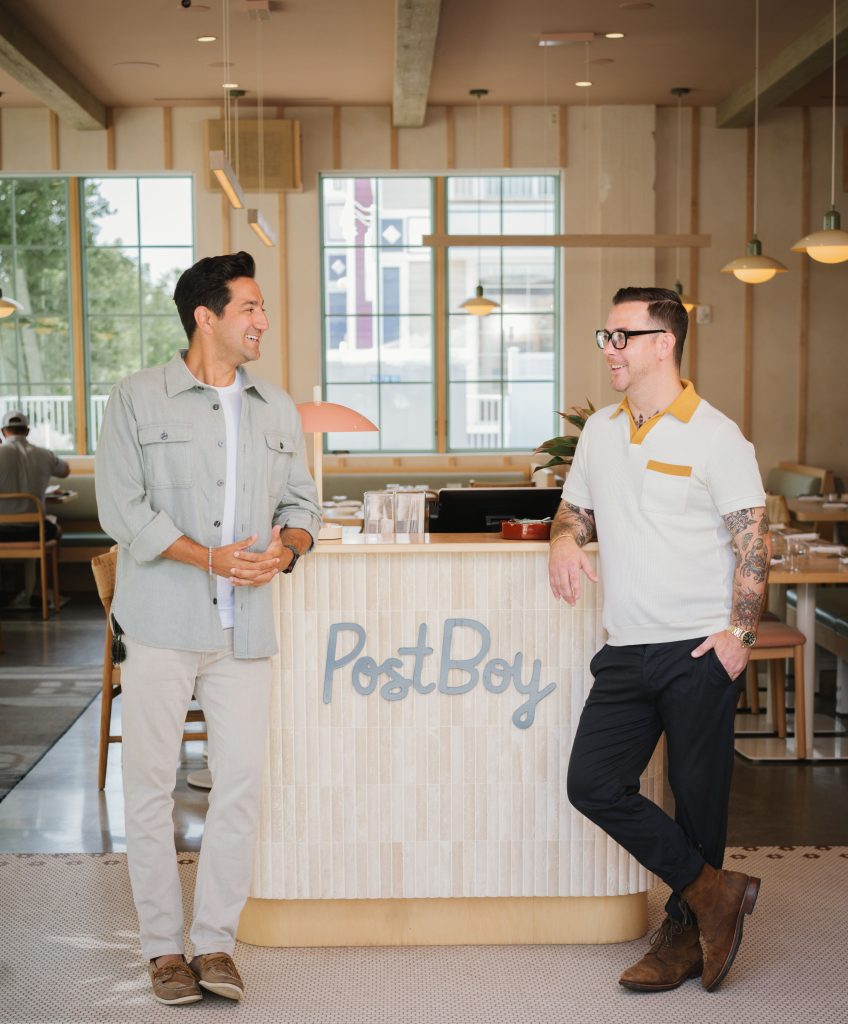
What may be most striking about Galbraith, however, is how clearly he sees the boundary between craft and life. He talks about family in the same language he uses for the kitchen: care, precision, and intention. “The different parts of your life are the ‘gardens,’” he told me. “And they all have to be watered and tended to individually to keep them alive.”
That clarity didn’t always come easy. “My daughter was seven or eight before I was the one who took her trick-or-treating for the first time,” he said. “Once I saw how much fun she was having, I stopped working on Halloween night.” The same went for Father’s Day. “I realized I don’t know how many more Father’s Days I’ll have with my own father, so I don’t work on Father’s Day either.” For him, the math is simple: restaurants come and go; the vibrant, most important gardens don’t.
Strip away the openings, the press, the slow build from busboy to one of the region’s defining culinary voices, and what remains is a maker committed to doing his work well. “I’m trying to make sure that I am always doing the best that I can do,” he said. “This is the only real skill set that I have, and it is important to me to always do the best that I can. My father stressed that your reputation is the most important thing you have. That was the most important professional and personal advice I ever received.”
At PostBoy, that reputation is built one plate, one curve, one decision at a time, the quiet accumulation of a life lived looking closely. Not just at food, but at the entire creative world that shapes it.
images: headshot of James Galbraith, and interior and exterior images of PostBoy, courtesy of Gabrielle Sukich. Portrait of Galbraith with co-owner Ben D. Holland, courtesy of Elena Grigore Photography.