

Scott Speh on Trusting Your Eye, Contemporary Art, and Western Exhibitions
Western Exhibitions began in 2002 as a nomadic gallery, staging exhibitions wherever Scott Speh could find the space: apartments, lofts, and other galleries. Two years later, he opened a permanent space on Chicago’s West Side, eventually moving to West Town, where the gallery remains today. More than two decades in, Western Exhibitions feels every bit like a distinctly personal argument about what contemporary art can be.
That may have something to do with Speh’s own path into the business. He was an artist before he became a gallerist, and his interest in organizing exhibitions gradually overtook his interest in making his own work. He didn’t set out to build a gallery around a particular market or aesthetic category. He followed his eye.
When it comes to artists, his criteria are surprisingly simple. “I want it to wow me generally,” he says. That might mean the material, the concept, the politics, the subject matter. But there is another crucial quality he looks for: the opportunity to encounter something he doesn’t already know.
“I really, for a lot of artists, I want to learn something because I show a lot of artists that are well outside my personal space of being a heterosexual white guy,” he says. Over the years, artists have taught him about experiences ranging from gay sex to motherhood, expanding his understanding simply by making work from a perspective he does not share.
Sometimes the reaction is immediate. He remembers seeing an artist’s work at a graduate exhibition and initially walking through without much interest. Then he turned a corner. “And boom,” he says.
The work by Nanako Kono, and it was bold, brightly colored, and slightly poppy, painted and printed on shaped pieces of plastic with a comic sensibility. He texted someone whose opinion he trusted, only to discover that the person had been trying to get him to pay attention to the artist for years. “You idiot. Listen to me,” was essentially the response.

That story gets at something fundamental about Speh’s approach. He can explain what attracts him to a work, but ultimately, the decision is less intellectual than visceral. “It ultimately has to come down to what hits my eyes. What tickles my brain.”
He talks about the gallery almost the way someone might talk about a magazine. Speh is a self-described former “newsstand hound”, the kind of person who remembers the particular pleasure of discovering a magazine because its editors had decided something was worth putting in front of you. He sees a similar role for a gallery: not simply to display individual artists, but to make an argument through the relationships between them.
He also compares galleries to independent record labels. The artists on a good label don’t necessarily sound alike, but something is connecting them, some shared sensibility that comes from the people making the decisions about what belongs there. At Western Exhibitions, that connection is less about a recognizable house style than a willingness to follow an idea, an artist, or a visual language somewhere unexpected.
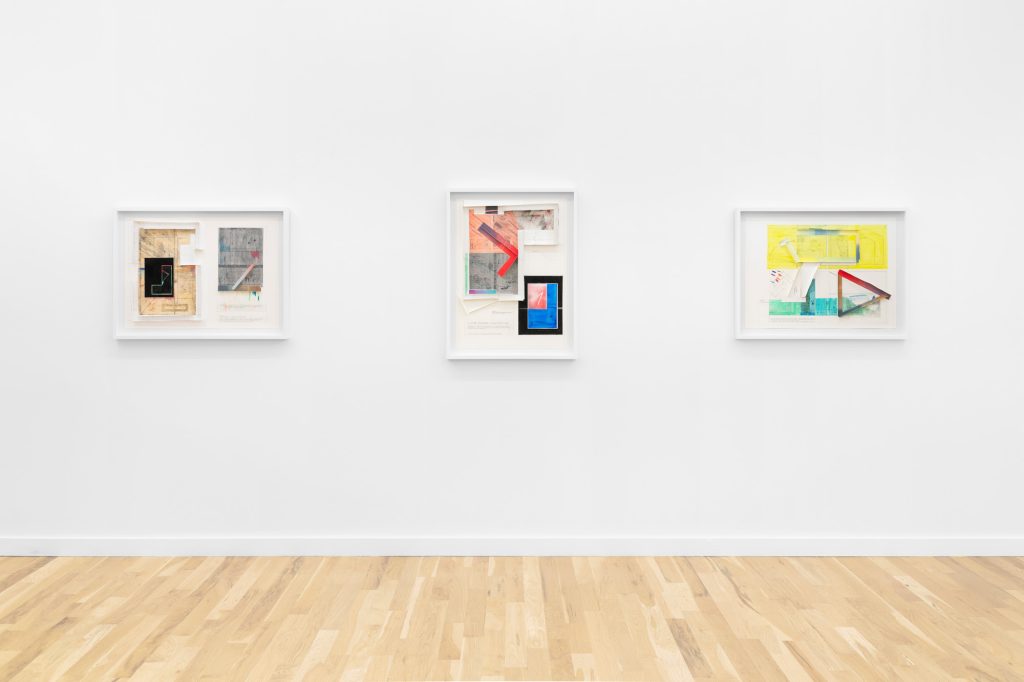
That editorial instinct becomes particularly visible in group exhibitions. Speh is careful about the language he uses to describe this work. He avoids “curate,” partly because he feels the word has become so broadly applied that it has lost its core meaning, and because professional curators bring a particular training to the role. But he is very much thinking about relationships: what happens when several artists are placed in conversation with one another, and what becomes visible because they share a room.
A show about pattern, for example, might bring together three or four artists who use pattern in radically different ways. Another exhibition, “A Sag, Harbored,” grew out of an observation that a new work by a well-known artist looked remarkably similar to work by one of the gallery’s artists. From there, Speh began thinking about other artists working with related visual ideas, including photographs by Paul Sepuya and ethereal work by Rachel Niffenegger.
The point wasn’t to establish who influenced whom. “All these ideas are in the wind,” Speh says. “I don’t believe so much in theft of ideas. But I believe that ideas are out there and people have shared affinities.”
That openness is also what keeps Western Exhibitions from feeling entirely beholden to the market. Speh has tried, at various points, to pick work because he thought it might sell or because an artist seemed particularly hot. “Never. Never works,” he says.
Instead, he follows what interests him and tries to be patient. That patience may be one of the more radical things about an independent gallery operating in a market that increasingly rewards speed, visibility and certainty. Recently, he added several artists under 30 to the gallery’s roster. Many of the artists he has worked with for years are now in their 50s or older. “We were getting old,” he says.
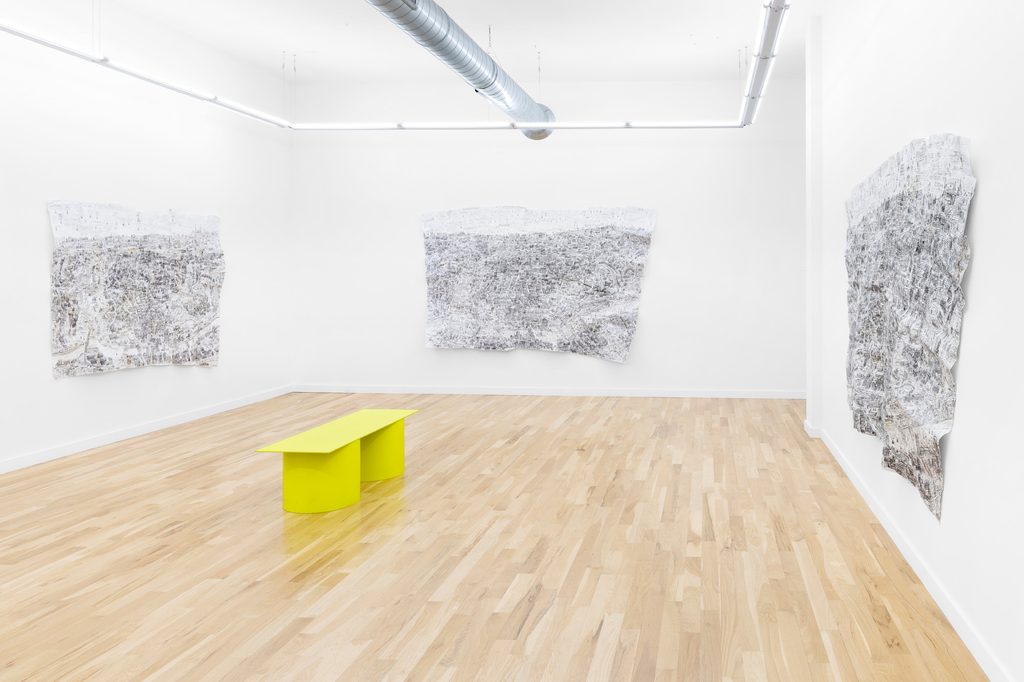
There is a similar resistance to the pressure to make every artist immediately legible as a commercial proposition. Speh is blunt about his frustration with contemporary art that feels designed for the market: work that is safe, familiar and ultimately interchangeable. He talks about art being made for corporate boardrooms, where nothing on the wall is likely to offend anyone who walks into the room.
He is equally skeptical of the escalating prices attached to young artists. A recent graduate producing a three-by-four-foot painting priced at $8,000 or $12,000, he argues, is being asked to arrive at the market already fully formed. Those prices create pressure for other artists and galleries to follow suit, when careers could (and perhaps should) instead be given space to develop slowly.
Pricing, he admits, remains something of a mystery even from his side of the equation. “The Philosophy of Pricing” is not a book he has managed to write.
What he does understand is that most of his collectors are not the ultra-wealthy buyers who tend to dominate the popular image of the art market. Many are middle-class relative to the broader collecting world. For Speh, that makes the relationship more interesting, not less. He wants people to collect because they genuinely love something, to meet the artists when possible, and to build collections that feel personal rather than like exercises in status-chasing.
That philosophy extends to the gallery itself. Western Exhibitions has a bookstore, WesternXeditions, offering artist books, prints, multiples, and other works that provide a different, more accessible way into an artist’s practice. You don’t necessarily have to begin with an expensive original. You can begin with a book. Or a print. Or simply by spending time in the gallery and learning something.
That educational function matters to Speh. He thinks about the gallery as a frame, but not one that should dictate what the viewer sees. The practical things matter: the space should be clean and well lit; there should be a checklist, information about the artist, and something on the table that gives visitors a way to understand the work and its history. Press releases should provide context without telling people what they are supposed to feel.
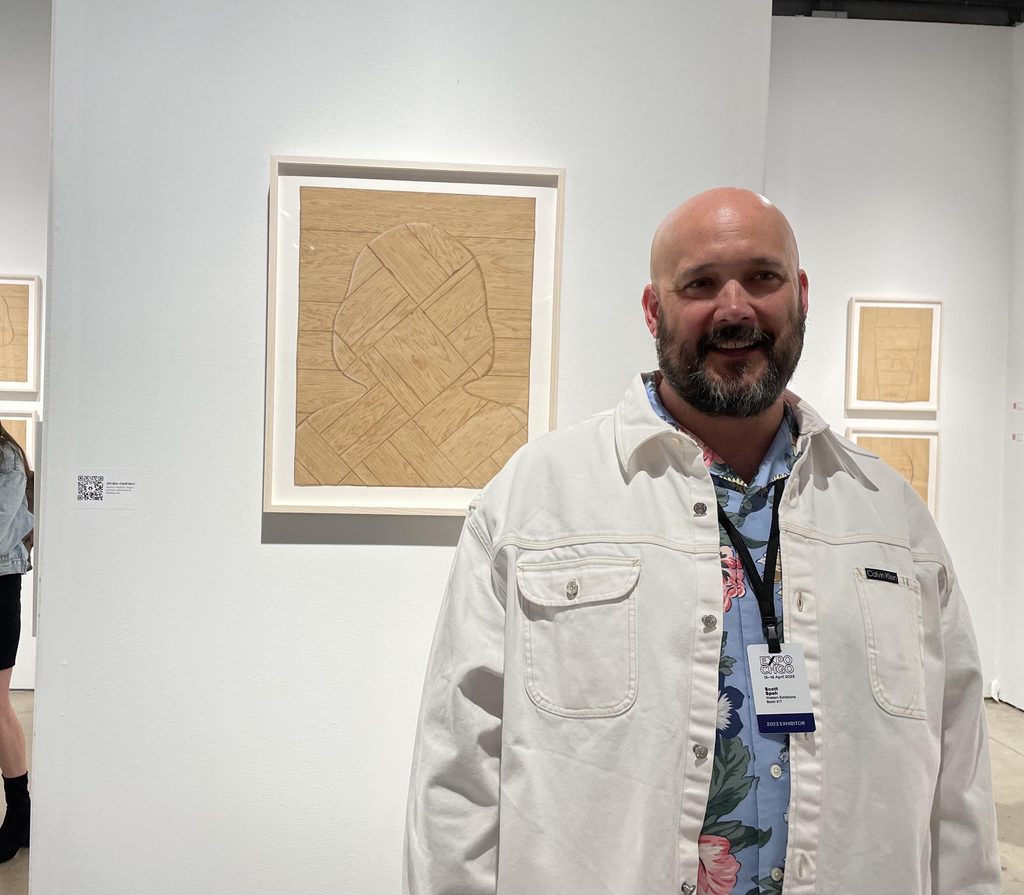
“I want you to be titillated by what we have on the wall,” he says. “But I’m not going to tell you what sort of titillation that’s gonna be.”
It’s an unusually good description of what a gallery can do at its best. Before you encounter an artwork, someone has already made decisions about what you will encounter, what will sit beside it, how much space it will have, what information will be available, and what will be left open. A gallery is a framing device, but the frame doesn’t have to close the picture down.
For Speh, the job seems to be creating the conditions for looking: choosing artists who make him stop, putting their work into conversation, giving viewers enough context to become curious, and then getting out of the way.
The hope, ultimately, is simple. That you saw a good show. That you weren’t bored. That something on the wall caught you slightly off guard and made you look twice.