
Homecomings and Creative Displacement
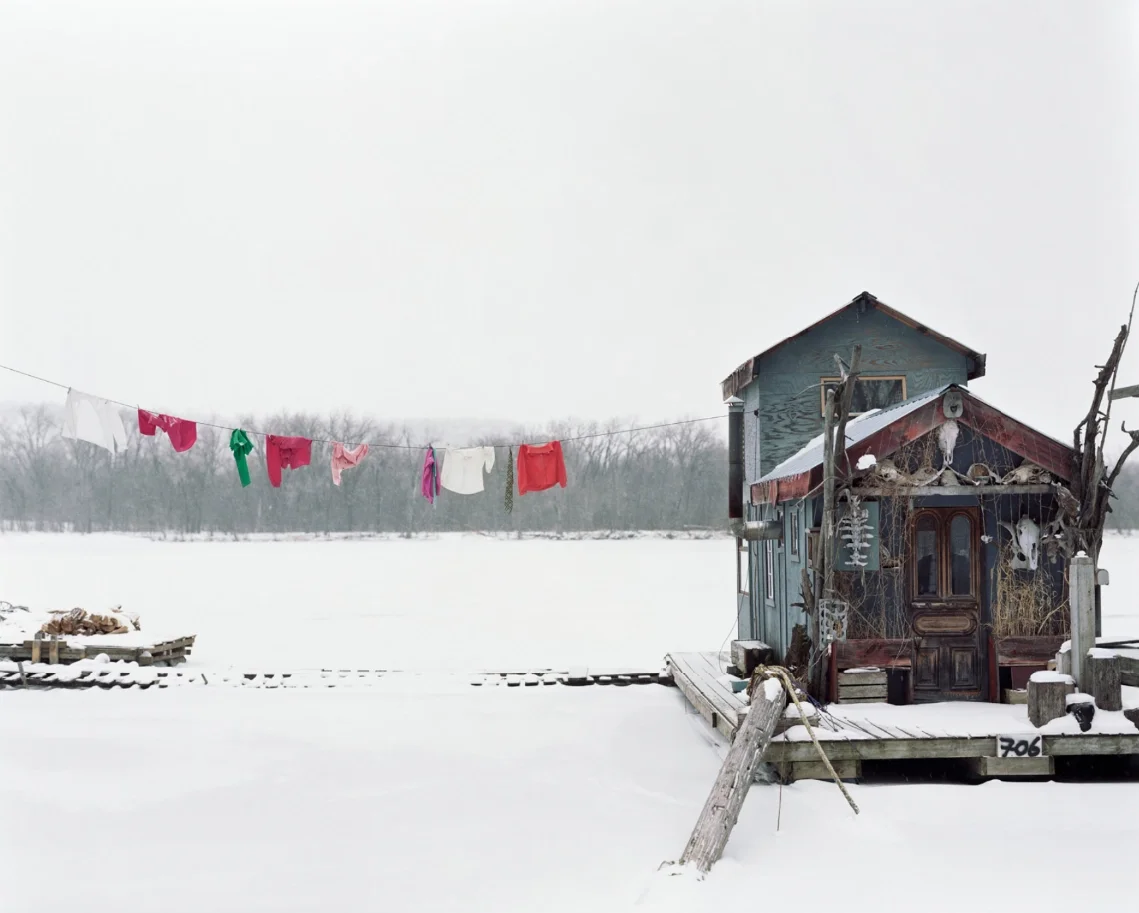
Going home has a way of rearranging you.
For creatives especially, returning to a childhood house, a familiar neighborhood, or a city you once knew intimately can feel less like a reunion and more like a subtle undoing. The version of yourself that makes the work doesn’t always fit so neatly back into the place that made you.
During the holidays, many people step back into rooms where their earliest instincts were formed– kitchens where hands learned the rhythm of cooking before language, bedrooms where imagination filled in for space, streets that once felt enormous. These places can be grounding. They can also be disorienting. The furniture has changed. The conversations haven’t. The walls remember you differently than you remember yourself.
Creative displacement often lives in this tension. You are no longer who you were when you left, but the place still holds you. For some, that friction sharpens perspective. Old dynamics resurface. Long-held roles reappear. And suddenly the confidence you carry in your work feels more fragile, more exposed.
Yet this dislocation can be generative.
Being temporarily unmoored– out of your routine, out of your usual environment, maybe even a little on edge– forces a different kind of looking. It reminds you that creativity doesn’t only live in studios or schedules. Sometimes it arrives in overheard conversations, in the weight of family history, in the recognition of how far you’ve traveled from the person you once were.
Homecomings ask a particular question: what do you carry with you, and what no longer belongs? They reveal which parts of your creative identity are sturdy enough to move across places, and which were tethered to geography, distance, or solitude.
Not everyone returns home by choice. For some, home has changed irrevocably. For others, it no longer exists in physical form. In those cases, creative displacement is not seasonal but ongoing. Making becomes a way of assembling fragments into something livable.
The holidays amplify this reality, but they don’t create it. They simply place us in closer proximity to the spaces that shaped us, and invite us to notice what still resonates, and what doesn’t.
Perhaps the quiet work of this season isn’t resolution, but recognition. Understanding that creativity, like home, is something we are constantly renegotiating. And that sometimes, stepping back into old spaces helps us see more clearly where we are going next.
image: Alec Soth, Peter's Houseboat, Winona, Minnesota, Photographed in 2002 and printed in 2004, Chromogenic print