
When Brands Begin to Read Like Magazines
We’ve noticed lately that the most interesting brands today are not just selling a product. They are curating worlds, crafting voices, and shaping narratives that feel alive, textured, and confident in the. They operate less like marketing departments and more like publications, offering stories that invite you to linger, to learn, and to inhabit their perspective. Instant campaigns and disposable content dominate the landscape, but these brands remind us that attention is earned through depth, not noise.
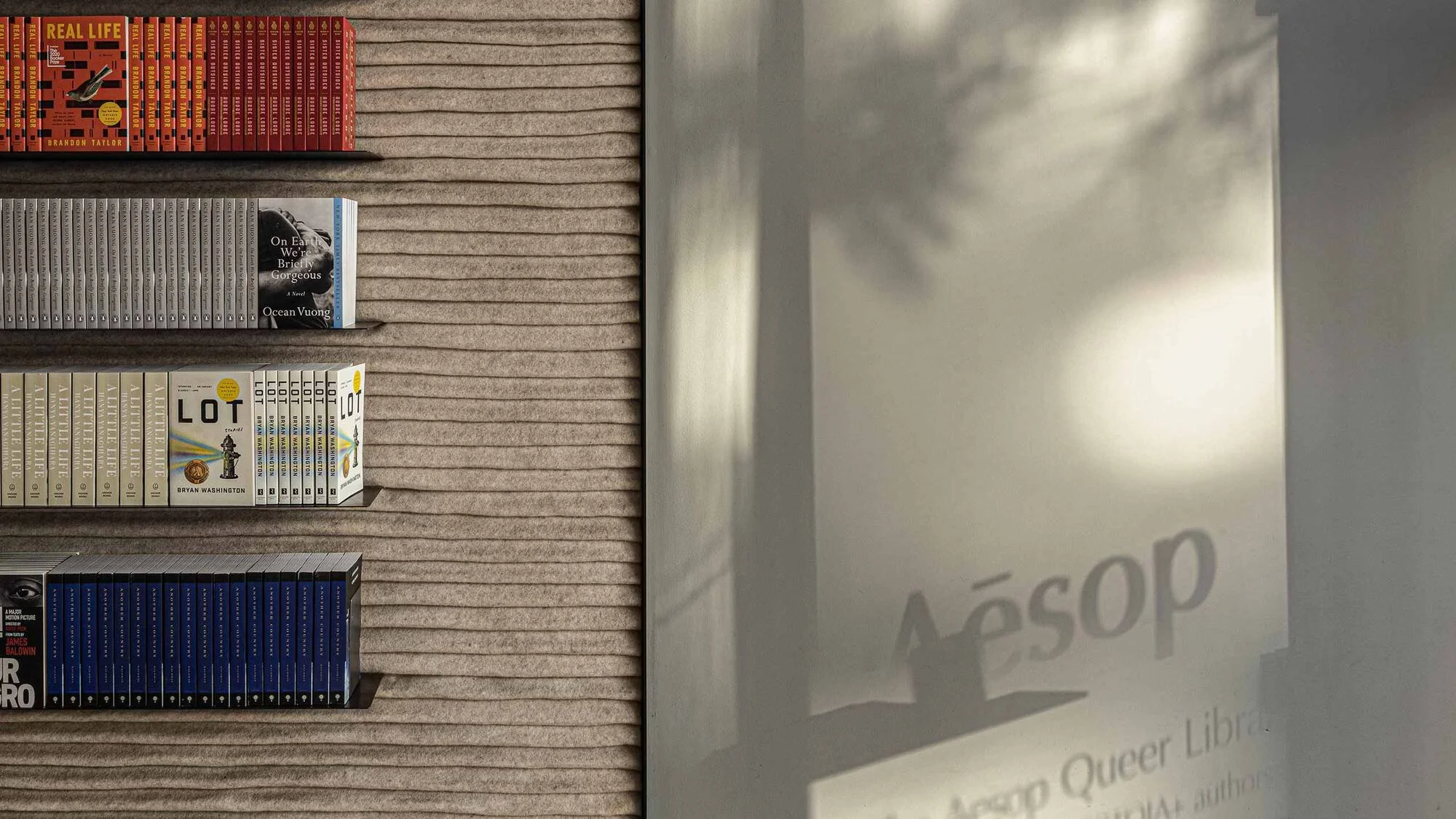
Patagonia took the lead on this long ago. Its journalistic-coded essays on conservation, adventure, and environmental justice are not advertisements in disguise. They are carefully composed narratives intended to build trust and community. Similarly, cultish skincare brand Aesop’s essays, pamphlets, and store catalogues operate as a form of editorial storytelling. They offer insight, context, and a sensory experience that extends far beyond the product itself. In both cases, the work is about shaping culture as much as shaping commerce.
The appeal is rooted in the undeniable power of niche publications. Small magazines (and zines) have always mattered because they take the time to curate, provoke, and sustain dialogue. Publications such as The Gentlewoman, Cabinet, and Fantastic Man do not chase mass audiences. Their editorial creates a space for depth, reflection, and intellectual engagement. Brands that think like these magazines cultivate the same sense of intimacy and authority. Kinfolk is an obvious example, merging print and digital content to define a global lifestyle aesthetic, building a readership that trusts its voice even as the audience remains highly selective.
For creatives, there is a lesson here to take note of. Attention, whether for a product, an artwork, or a project, is rarely won by scale alone. It comes from coherence, from consistent perspective, and from storytelling that values generosity and intelligence. Glossier merges beauty product launches with editorial essays and community storytelling, creating a feed that reads like a magazine for a digitally native audience. Each post, each product, each story feels like part of a larger vision, not a one-off transaction.
This magazine-like approach also allows brands to engage with culture in a nuanced way. When creatives encounter a brand that publishes thoughtful essays, spotlights emerging artists, or archives cultural commentary, the work feels participatory and part of the ecosystem, rather than transactional. It invites dialogue, encourages discovery, and provides context that transforms a product into a cultural artifact. For designers, writers, photographers, and artists, these platforms offer visibility that feels layered, intentional, and credible because it aligns with how the audience already thinks and consumes.
Brands that read like magazines keep our attention and become reference points. They create a framework for taste and judgment without dictating it, leaving the edges soft enough to be shaped by their audience. The work of these brands touch on what niche publications have historically done for their readers: they elevate curiosity, reward patience, and encourage ongoing engagement. For anyone building a creative practice or trying to break through clutter, the lesson is clear. Thoughtful storytelling, patience, and care in presentation do more to cultivate meaningful relationships than any viral moment ever could.
The most intriguing brands are those that understand that narrative is long form and takes time. They invest in context, in the slow cultivation of taste, and in the subtle alchemy of voice, visual identity, and editorial perspective. Leaving room for imagination is a necessity. It reminds us that storytelling is not just a tool for persuasion; it is a mode of lasting engagement, one that connects commerce, culture, and creativity in a way that feels alive and inevitable.