Artists Are Building More Than Art
A growing number of artists are expanding their practices beyond the studio, building residencies, foundations, and creative spaces that are reshaping how art is made, supported, and shared.

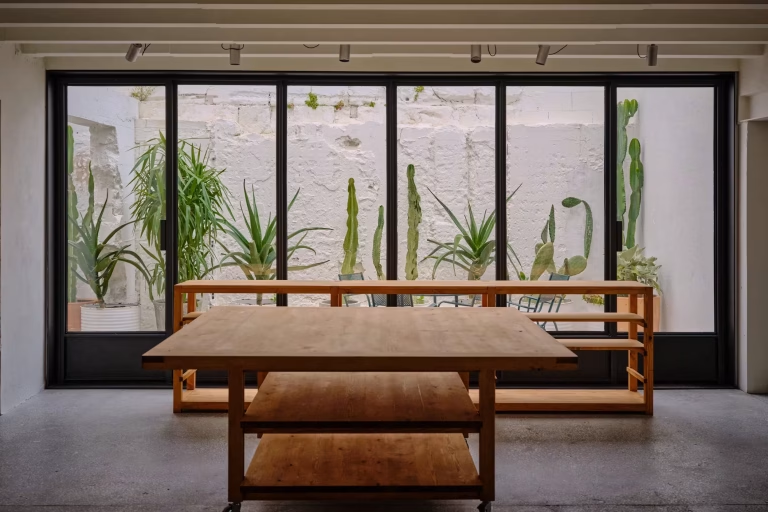
A growing number of artists are expanding their practices beyond the studio, building residencies, foundations, and creative spaces that are reshaping how art is made, supported, and shared.
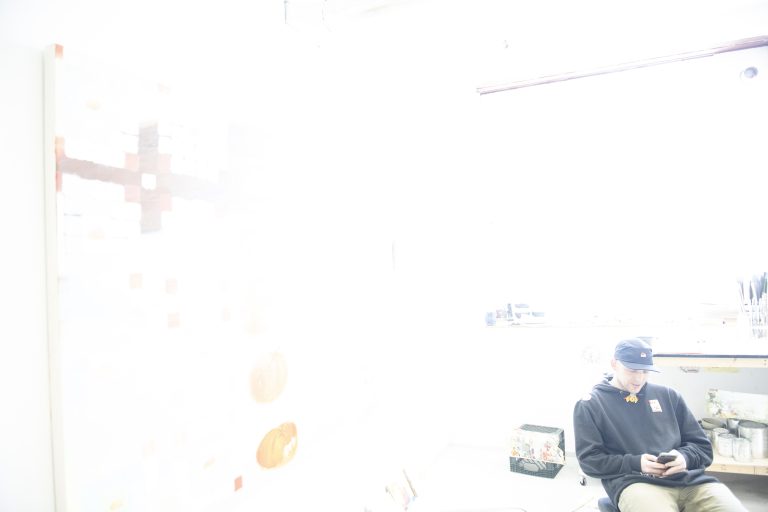
Tavin Davis’s paintings, characterized by calm landscapes, reveal a deeper emotional struggle rather than a representation of tranquility. Inspired by his overwhelming experiences, his work constructs psychological spaces that offer respite from contemporary life’s chaos. Ultimately, Davis views painting as a functional practice for navigating emotional realities and fostering simpler, calmer perceptions.
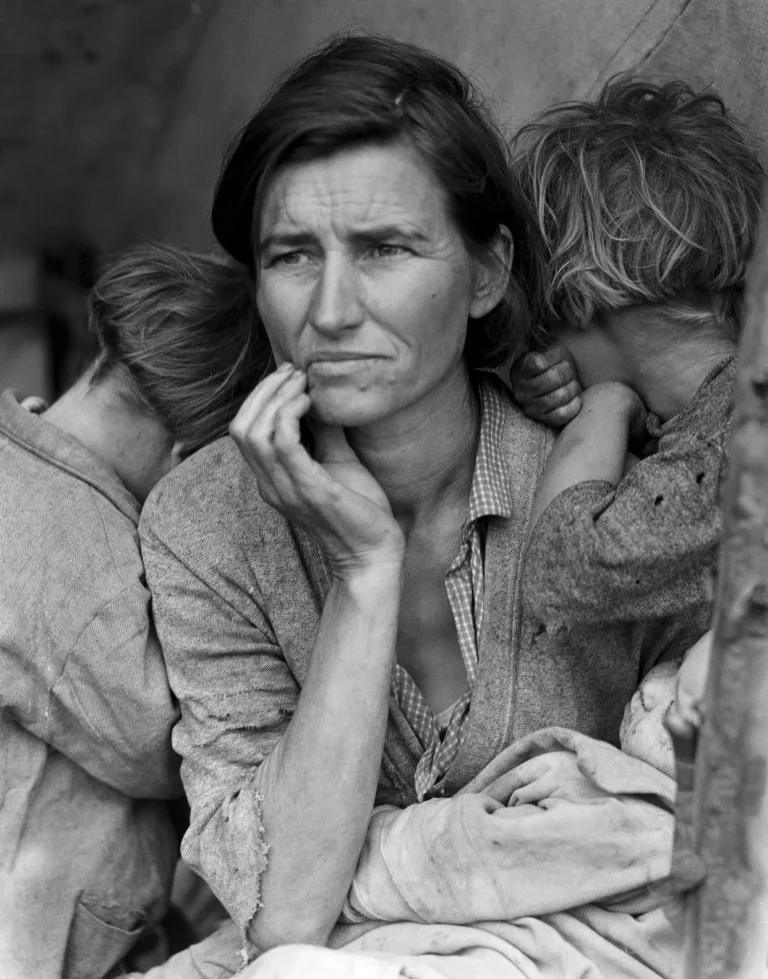
The United States is inching closer to its 250th birthday this week, and the country finds itself mired in a circular argument not simply about politics, but about memory itself. Americans are increasingly divided over the future as well as the meaning of the past: which histories deserve emphasis, which figures deserve celebration, which injustices…

Jaqueline Cedar moves fluidly between roles that the art world often insists on separating: painter, curator, and founder of Good Naked, a Brooklyn-based gallery and project space built around experimentation, community, and emerging artistic voices. Her own painting practice is rooted in abstraction and figuration that often balances intimacy with a kind of formal restraint….
It’s not exactly breaking news that creative culture has a completion bias. We (rightly) celebrate the novel that gets published, the exhibition that opens, the film that premieres, the building that slowly rises from the ground. Finished work becomes the tangible record of a creative life. It’s what enters the archive, and what gets reviewed,…
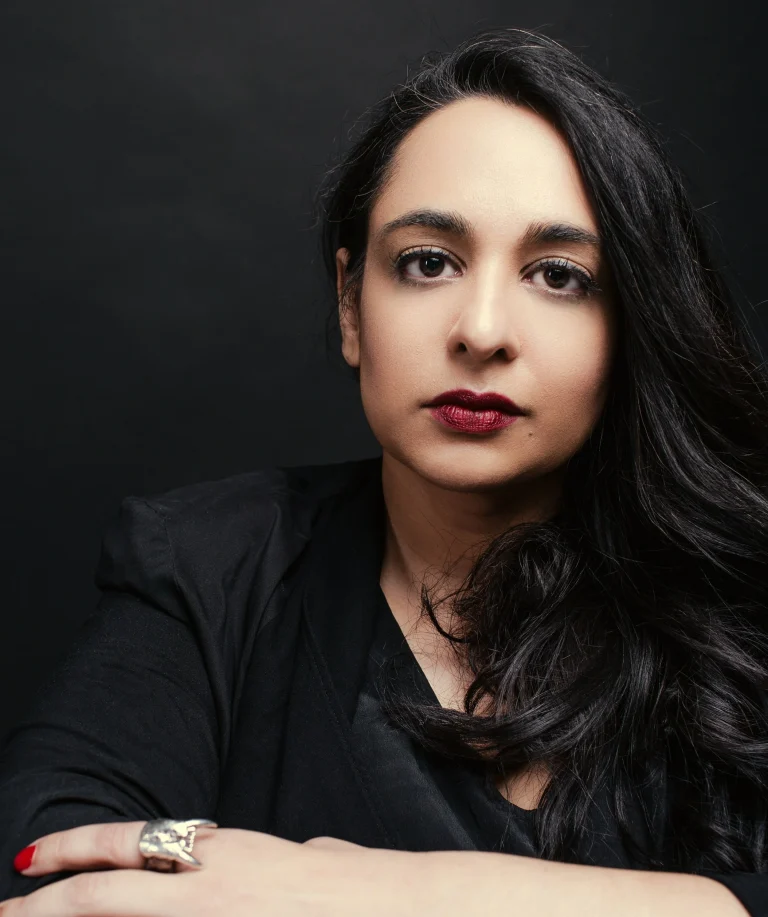
Akhtar approaches suspense less through spectacle than through psychology, pacing, and accumulation. Even when her stories become absurd, violent, or satirical, there is always something emotionally recognizable underneath. Humor becomes a structural tool for navigating darker subject matter. ‘I like to make the reader laugh while talking about serious subjects,’ she says.
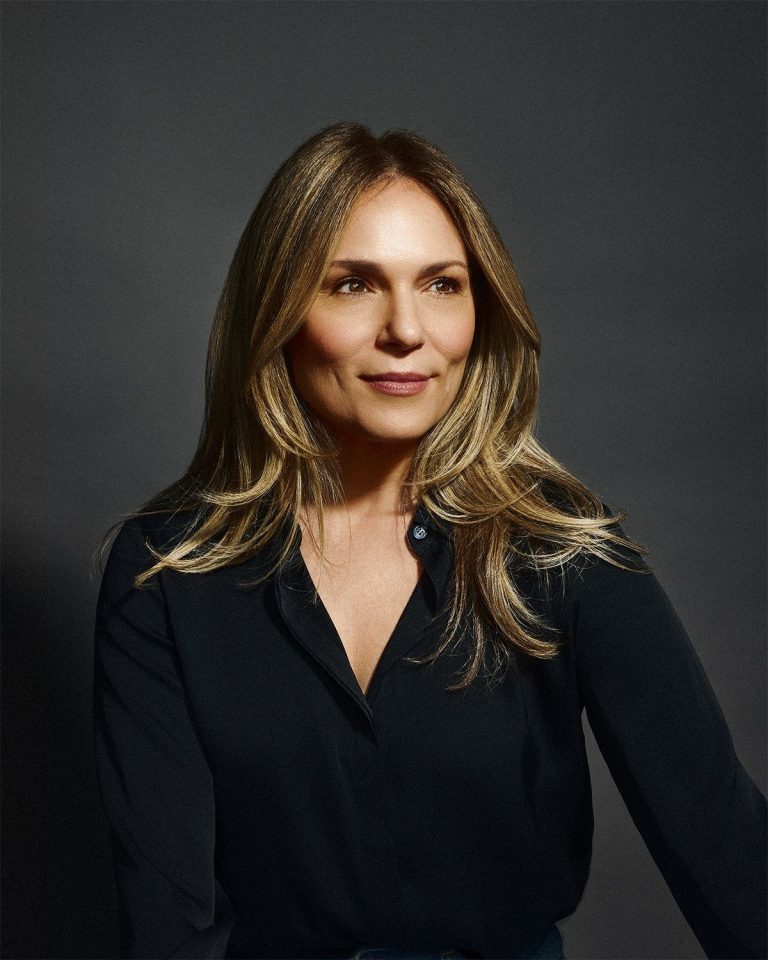
There are artists whose careers unfold in a straight line. Then there are artists like Erika Burke Rossa, whose creative life has moved through disciplines, cities, and identities before arriving at filmmaking with unusual depth and clarity. Before directing her feature debut Rain Reign, Rossa trained as a ballet dancer at Juilliard School, studied theater,…

At Expo Chicago last week, in conversations with artists moving between booths, installations, studio visits, and carefully considered thoughts about their own work, we noticed that one theme kept resurfacing. Not in grand declarations, but in collected passing comments about process. About slowing down. About choosing to make things a little harder than they need…

The series “Field Notes: Global Cultural Pulse” observes emerging cultural trends across various disciplines. It highlights shifts towards intentionality in consumption, emphasizing ritualized, tactile experiences, and the value of slowness. Notably, audiences now appreciate the process behind creation. Future cultural relevance hinges on orchestrating attention and shaping experiences around value.

For the better part of the last decade, hyper-visibility was the goal. To be seen was to exist. To be widely seen was to matter. Platforms rewarded exposure, and exposure became its own form of currency, flattening distinctions between what was actually meaningful and what was…